Recent research reveals that light pollution may play a role in increasing the risk of Alzheimer’s disease, a discovery that adds to the growing list of environmental factors contributing to neurodegenerative diseases. As urbanization spreads and nighttime light exposure becomes more common, understanding the link between artificial light and cognitive decline is more critical than ever. This blog will explore how nighttime light exposure, particularly in areas with high levels of light pollution, disrupts the body’s natural rhythms and can elevate the risk of Alzheimer’s …

Are you a night owl, someone who naturally feels more alert and productive during the late hours of the night? While staying up late may feel natural for you, research increasingly shows that it might come with significant health risks. A recent study found that night owls are more likely to develop type 2 diabetes than their early-rising counterparts. The good news? A few simple lifestyle changes may help reverse this trend. In this article, we’ll explore the science behind why night owls have a …
In recent years, Bill Gates has become a central figure in numerous conspiracy theories, often targeted for his philanthropy in global health. One of the latest conspiracy claims links Gates to a surge in cases of Eastern equine encephalitis (EEE) in the United States. This unfounded theory argues that genetically modified mosquitoes funded by the Gates Foundation are behind the outbreak of this mosquito-borne disease. In this blog, we will explore the facts behind these claims, debunk misinformation, and provide a clear understanding of the …
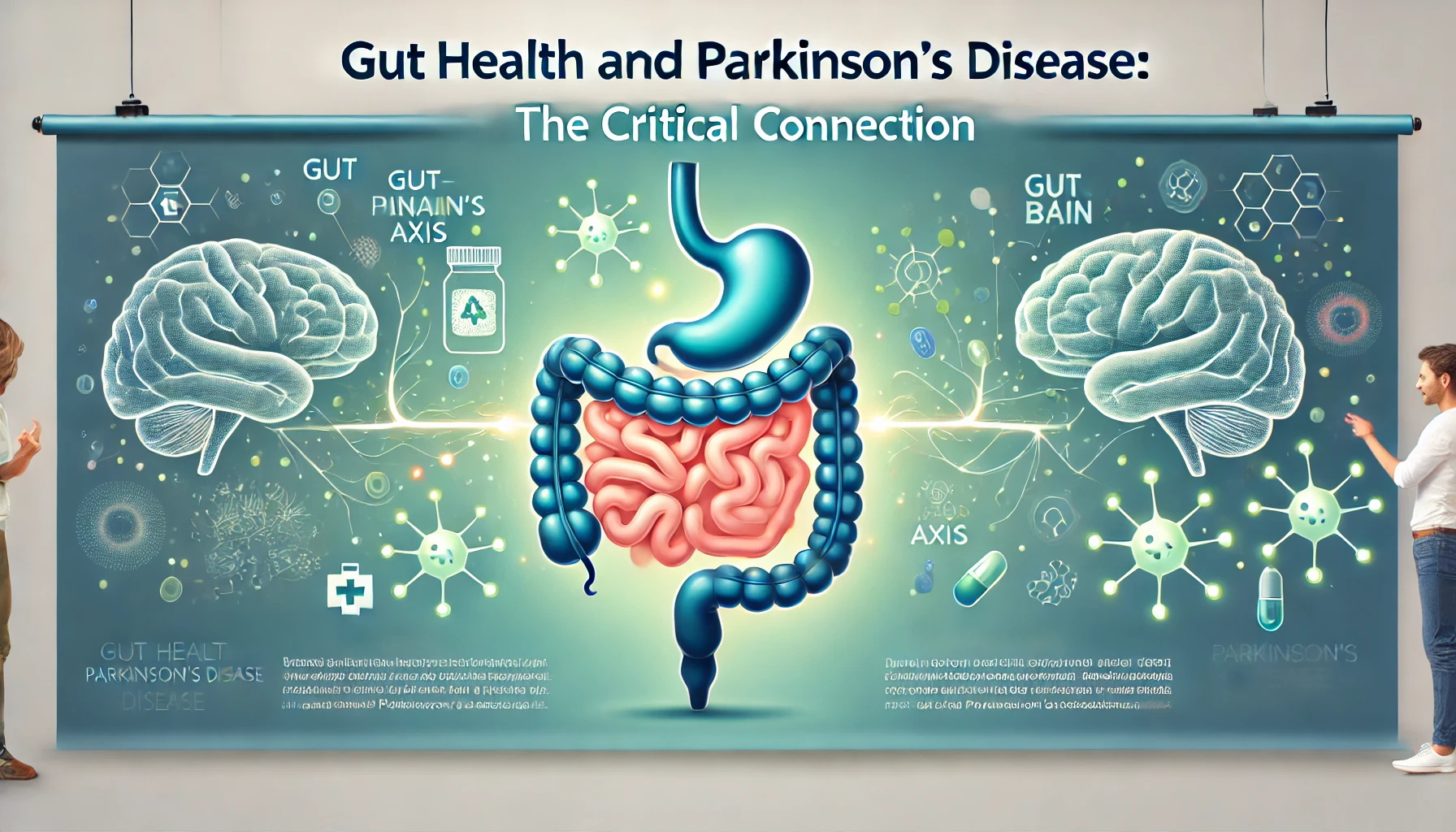
Recent research has highlighted the critical connection between gut health and Parkinson’s disease, sparking new discussions on how improving gut health may help prevent or manage the disease. Parkinson’s, a progressive neurodegenerative disorder, has long been studied primarily in relation to the brain. However, emerging studies show that the gut-brain connection plays a pivotal role in the onset and progression of the disease. In this blog, we will explore the scientific evidence behind this connection, examine Parkinson’s disease risk factors, and discuss practical ways to …
As the fight against COVID-19 continues, new developments in vaccine technology have been made to keep pace with the virus’s evolution. The updated COVID-19 vaccines for 2024 have recently been released, offering protection against the latest variants. Whether you’ve been following the pandemic closely or you’re looking for the most up-to-date information on the new COVID booster shots, this comprehensive guide will help you understand what’s new and who should get vaccinated. What Is the Updated COVID Vaccine for 2024? With COVID-19 continuously evolving, health …
In recent months, the global health community has been closely monitoring the spread of Mpox, a viral infection that has raised concerns worldwide. On September 8, 2024, India detected its first suspected Mpox case, sparking fresh discussions about the virus, its transmission, symptoms, and the available prevention methods. Understanding these key aspects is crucial, especially as the virus spreads globally. In this blog, we’ll dive deep into what Mpox is, how it spreads, the symptoms it causes, and what you can do to protect yourself. …
The recent surge in mpox outbreaks across Africa has highlighted a significant global health crisis. While mpox vaccines have been instrumental in controlling outbreaks in wealthier nations, Africa faces a stark contrast—a lack of vaccines, limited healthcare infrastructure, and overwhelming demand. Despite donations from high-income countries, the solution to Africa’s mpox vaccine shortage lies far beyond temporary aid. In this blog, we will explore why Africa urgently needs mpox vaccines, the global health emergency caused by the virus, and why vaccine donations alone won’t prevent …
In 2024, Missouri confirmed its first human case of H5 bird flu through routine surveillance, creating widespread concern across the state and the nation. Bird flu, formally known as avian influenza, is a disease primarily found in wild birds and poultry, but human infections are rare and can be serious. This mysterious case of avian influenza in Missouri raised many questions, especially because the individual had no known exposure to infected animals. While Missouri health officials continue investigating the source of the virus, the public …
Antarctica, the vast and icy continent at the southernmost part of Earth, has not always been the frozen wilderness we know today. For millions of years, this icy expanse has been locked under thick ice sheets, but there was a time when Antarctica was ice-free, teeming with life. Understanding when and why the last ice-free period occurred not only gives us insight into the Earth’s past but also offers clues about how future climate changes might reshape the continent. In this blog, we’ll explore the …
Earthquakes have long been one of the most unpredictable and destructive natural disasters. Despite decades of research, seismologists have struggled to accurately predict when and where the next major quake will hit. However, recent advances in artificial intelligence (AI) are giving scientists new tools to revolutionize earthquake prediction. AI-driven models are improving the accuracy of seismic forecasting, helping communities prepare and minimize damage. In this blog, we’ll explore how AI is enhancing earthquake detection, the role of machine learning in seismology, and how AI is …