
The Link Between Gut Health and Parkinson’s Disease: What You Need to Know
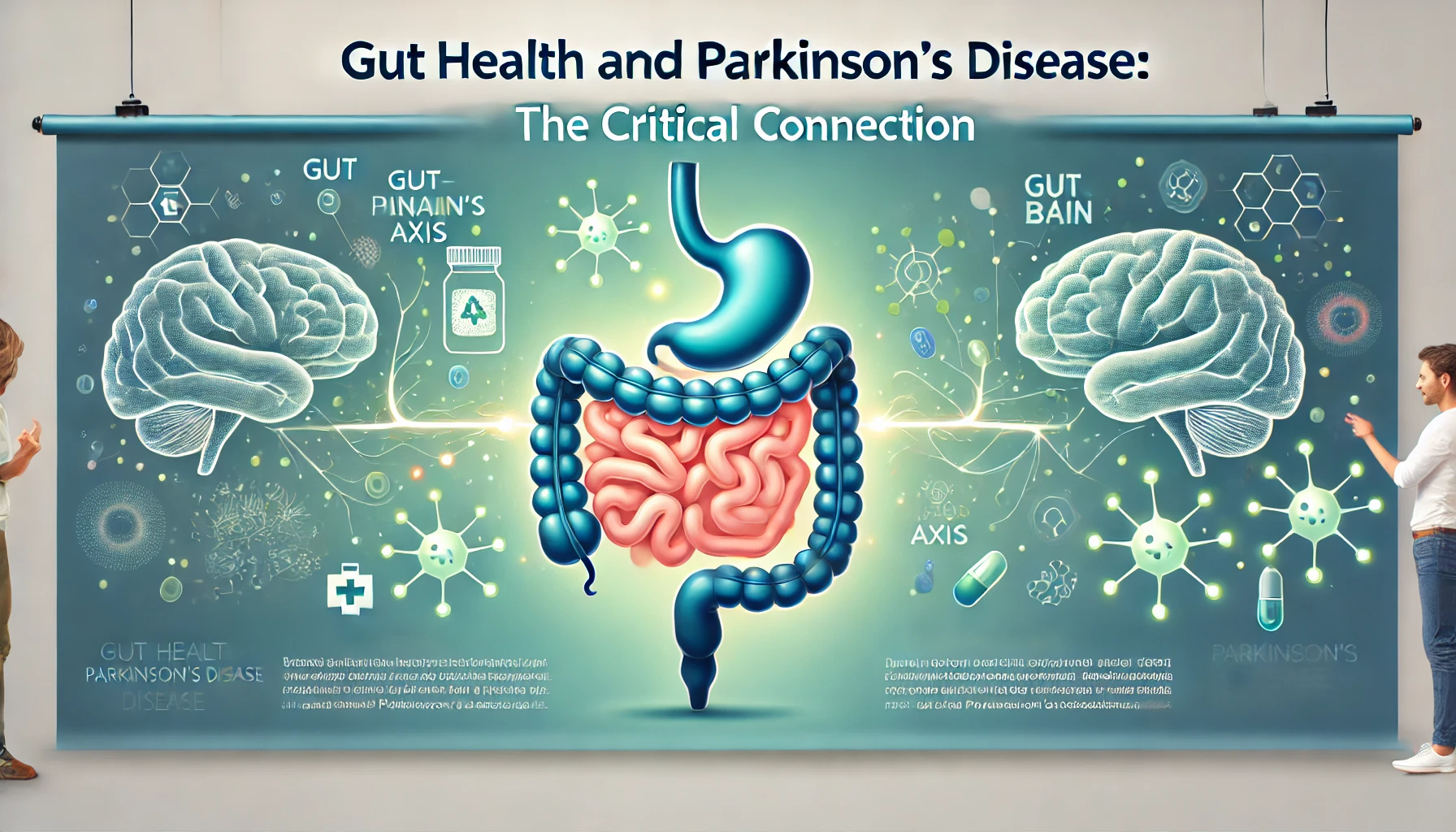
Recent research has highlighted the critical connection between gut health and Parkinson’s disease, sparking new discussions on how improving gut health may help prevent or manage the disease. Parkinson’s, a progressive neurodegenerative disorder, has long been studied primarily in relation to the brain. However, emerging studies show that the gut-brain connection plays a pivotal role in the onset and progression of the disease. In this blog, we will explore the scientific evidence behind this connection, examine Parkinson’s disease risk factors, and discuss practical ways to improve gut health to reduce the risk of Parkinson’s.
Understanding the Gut-Brain Connection in Parkinson’s Disease
For years, scientists have hypothesized that Parkinson’s disease might start in the gut, a theory known as the Braak hypothesis. This theory suggests that harmful proteins called alpha-synuclein accumulate in the gut, where they misfold and travel to the brain via the vagus nerve, leading to Parkinson’s disease symptoms. Recent studies reinforce this hypothesis, suggesting a strong link between gut microbiota and the brain, now known as the gut-brain connection.
The Role of the Gut Microbiome in Parkinson’s Disease
The gut is home to trillions of bacteria that help with digestion and immune function. Researchers now believe that an imbalance in the gut microbiome may be linked to the development of neurodegenerative diseases like Parkinson’s. In fact, changes in gut bacteria have been observed in people with Parkinson’s, and scientists believe that these changes may contribute to the misfolding of alpha-synuclein, a hallmark of the disease(MedXpress).
Recent studies also found that gastrointestinal symptoms, such as constipation, can occur years before the traditional motor symptoms of Parkinson’s appear. Constipation and Parkinson’s disease have been closely linked, and understanding this connection may offer early diagnostic opportunities. Research shows that gut issues often appear before tremors, stiffness, and other well-known symptoms of the disease(UHealth Collective).
Key Parkinson’s Disease Risk Factors and Early Symptoms
Understanding the risk factors for Parkinson’s disease can help individuals take proactive steps to reduce their likelihood of developing the condition. While the exact cause of Parkinson’s remains unknown, several factors are believed to increase the risk:
- Age: Parkinson’s typically affects older adults, with risk increasing after age 60.
- Genetics: A family history of Parkinson’s can slightly increase the risk.
- Environmental toxins: Exposure to herbicides, pesticides, and other environmental toxins has been linked to a higher risk of Parkinson’s.
- Gut health: As mentioned earlier, poor gut health may be a significant contributing factor(ScienceDaily)(UHealth Collective).
Recognizing Early Symptoms of Parkinson’s Disease
Early detection is key to managing Parkinson’s disease effectively. In addition to motor symptoms like tremors and stiffness, early warning signs may include:
- Digestive issues: Constipation and bloating are common early indicators of Parkinson’s.
- Loss of smell: A diminished sense of smell often precedes motor symptoms by several years.
- Sleep disturbances: Issues such as acting out dreams or excessive daytime sleepiness can also signal early Parkinson’s(UHealth Collective).
Alpha-Synuclein, the Vagus Nerve, and Parkinson’s Disease
One of the most intriguing discoveries in Parkinson’s research is the role of alpha-synuclein, a protein found in the gut and brain. When this protein misfolds, it can form clumps known as Lewy bodies, which are associated with Parkinson’s disease. Research shows that misfolded alpha-synuclein can travel from the gut to the brain via the vagus nerve, potentially triggering the development of Parkinson’s(MedXpress)(UHealth Collective).
The Impact of the Vagus Nerve on Parkinson’s Development
The vagus nerve serves as the communication superhighway between the gut and brain. Scientists have discovered that severing this nerve in experimental models can slow the spread of misfolded alpha-synuclein from the gut to the brain, suggesting that the vagus nerve plays a critical role in the progression of Parkinson’s disease(MedXpress).
Additionally, studies have found that people who have had their vagus nerve removed, a procedure known as vagotomy, are less likely to develop Parkinson’s, adding further evidence to the gut-brain connection hypothesis(ScienceDaily).
The Connection Between Gut Health, Leaky Gut, and Parkinson’s Disease
Another area of growing interest is the role of leaky gut in Parkinson’s disease. Leaky gut occurs when the lining of the intestines becomes permeable, allowing harmful substances like toxins and bacteria to leak into the bloodstream. This can trigger inflammation, which has been linked to the development of neurodegenerative diseases like Parkinson’s.
Emerging research suggests that a leaky gut may contribute to the misfolding of alpha-synuclein, which can then travel to the brain. By addressing gut health early, it may be possible to reduce the risk of developing Parkinson’s disease(UHealth Collective).
Practical Steps to Improve Gut Health and Reduce Parkinson’s Risk
While there is no cure for Parkinson’s, maintaining a healthy gut may help reduce the risk of developing the disease. Here are some practical tips for improving gut health:
- Eat a high-fiber diet: A diet rich in fiber promotes healthy digestion and supports a diverse gut microbiome. Include whole grains, fruits, vegetables, and legumes in your diet.
- Consume probiotics and prebiotics: Probiotics are beneficial bacteria that support gut health, while prebiotics are the fibers that feed these bacteria. Fermented foods like yogurt, kefir, and sauerkraut are excellent sources of probiotics.
- Stay hydrated: Drinking plenty of water is essential for maintaining healthy digestion and preventing constipation.
- Exercise regularly: Physical activity has been shown to improve gut health by promoting healthy digestion and reducing inflammation.
- Avoid environmental toxins: Reducing exposure to pesticides, herbicides, and heavy metals may help lower the risk of Parkinson’s disease.
- Manage stress: Chronic stress can negatively impact gut health and contribute to inflammation. Practices such as mindfulness, meditation, and yoga can help reduce stress and promote overall well-being(UHealth Collective).
The Future of Parkinson’s Research: Targeting the Gut-Brain Axis
As researchers continue to investigate the gut-brain connection in Parkinson’s disease, new therapeutic approaches may emerge. Targeting the gut through dietary interventions, probiotics, and even medications that block the spread of alpha-synuclein could offer promising new treatments for Parkinson’s in the future.
Currently, much of the research is focused on understanding how to prevent alpha-synuclein from misfolding in the gut and reaching the brain. By disrupting this process, it may be possible to delay or even prevent the onset of Parkinson’s disease(MedXpress).
The link between gut health and Parkinson’s disease is an exciting area of research that has the potential to revolutionize how we approach the prevention and treatment of neurodegenerative diseases. By recognizing Parkinson’s disease risk factors and paying attention to early symptoms like constipation, individuals can take proactive steps to protect their gut and reduce the risk of Parkinson’s. Improving gut health through diet, exercise, and stress management may not only benefit overall well-being but could also play a critical role in protecting the brain from neurodegenerative diseases.
For more insights into managing your health, including practical tips on improving gut health, visit Regent Studies. Additionally, check out resources from reputable organizations like the Parkinson’s Foundation for more information on the latest research and treatments.

You may also like