Understanding the $2.2 Billion GSK Zantac Settlement: What It Means for Cancer Claims and Payouts
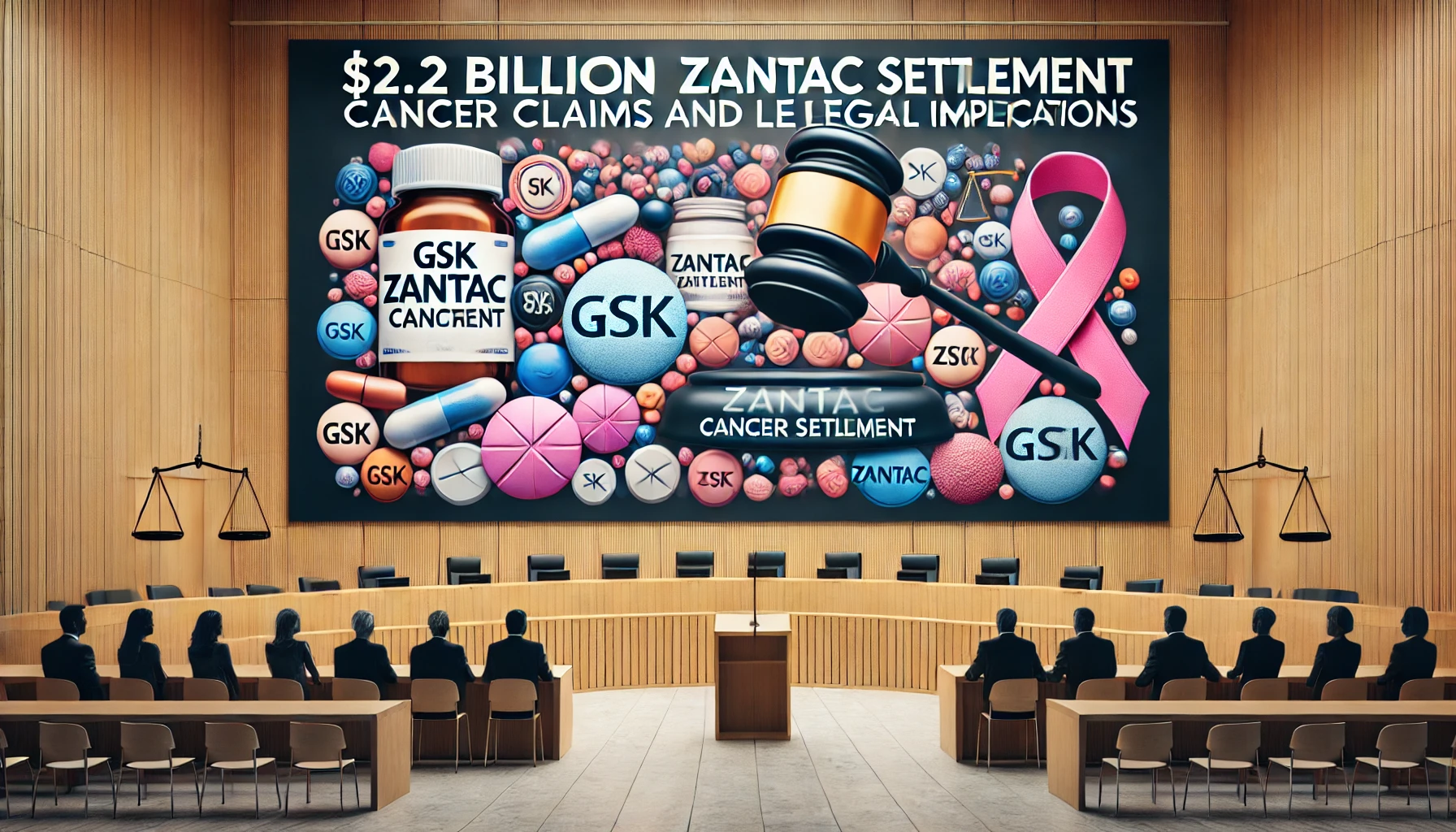
In a groundbreaking legal development, the pharmaceutical giant GSK (GlaxoSmithKline) has agreed to pay up to $2.2 billion to settle thousands of Zantac cancer claims. This massive settlement is one of the largest in the pharmaceutical industry, representing a significant moment for product liability litigation.
Zantac (ranitidine), once a popular over-the-counter heartburn medication, was found to contain high levels of NDMA, a known carcinogen. This revelation led to a surge of lawsuits, with plaintiffs alleging that Zantac caused various cancers. While GSK denies that Zantac causes cancer, the settlement will resolve around 80,000 lawsuits brought by plaintiffs claiming harm from the drug. This blog delves into the Zantac lawsuit settlement, what it means for cancer victims, and the broader implications for the pharmaceutical industry.
The Background: What is Zantac and How Did It Lead to Cancer Claims?
Zantac, also known by its generic name ranitidine, was a popular drug used to treat heartburn and acid reflux. For years, it was considered safe until a 2019 investigation revealed the presence of N-nitrosodimethylamine (NDMA) in ranitidine products. NDMA is a carcinogen linked to cancers such as bladder, colorectal, stomach, and esophageal cancers.
The NDMA cancer risk stems from the fact that ranitidine, the active ingredient in Zantac, can break down into NDMA under certain conditions. This revelation led to widespread recalls, regulatory warnings, and a flood of Zantac cancer claims across the U.S.
Zantac Lawsuit Settlement: A Historic $2.2 Billion Payout
In October 2024, GSK announced it had reached a Zantac lawsuit settlement worth $2.2 billion, resolving approximately 93% of the product liability cases(markets.businessinsider.com)(pharmaphorum). This historic settlement follows years of litigation, during which plaintiffs claimed that taking Zantac increased their risk of developing cancer.
The Zantac cancer settlement includes payments to plaintiffs who were diagnosed with cancer after using Zantac. However, GSK has not admitted any liability, maintaining that there is no conclusive evidence linking Zantac to cancer. Nonetheless, the settlement will provide compensation to those affected while allowing GSK to avoid further costly litigation.
Zantac Settlement Amounts: What Can Plaintiffs Expect?
One of the most frequently asked questions by plaintiffs is how much they can expect to receive from the settlement. While exact Zantac settlement amounts will vary depending on factors such as the severity of the illness and the extent of medical bills, reports suggest that plaintiffs could receive substantial compensation.
In product liability cases like this, settlement amounts are typically based on:
- Medical expenses related to cancer treatment.
- Loss of income if the plaintiff could not work due to their illness.
- Pain and suffering caused by cancer and its effects.
Though no exact numbers have been released publicly, estimates suggest that individual payouts could range from thousands to millions of dollars, depending on the specific circumstances of each case(pharmaphorum).
The Role of NDMA in Zantac: Understanding the Cancer Risk
At the heart of the Zantac lawsuits is the alleged presence of NDMA, a chemical classified as a probable human carcinogen. The NDMA cancer risk associated with Zantac comes from the potential breakdown of ranitidine into NDMA, particularly when exposed to heat or stored for extended periods. High levels of NDMA have been linked to several types of cancer, including:
- Bladder cancer
- Colorectal cancer
- Stomach cancer
- Esophageal cancer
Although GSK maintains that studies have not conclusively proven that Zantac causes cancer, the presence of NDMA has raised concerns among regulatory bodies such as the U.S. Food and Drug Administration (FDA). The FDA recalled all ranitidine products in 2020 after determining that they posed an unacceptable risk to public health.
The Ongoing Zantac Class Action Lawsuit
While the $2.2 billion settlement resolves the vast majority of cases, some lawsuits continue, particularly in the form of a Zantac class action lawsuit. This class action includes individuals who have not yet settled and may seek compensation for damages caused by Zantac. Class action lawsuits allow groups of plaintiffs with similar claims to pool their resources and seek compensation collectively.
These Zantac product liability cases remain an important legal avenue for those who believe they have been harmed by the drug. As ongoing lawsuits progress, new evidence and rulings could affect the outcomes for plaintiffs who are still seeking justice.
Zantac Cancer Lawsuits in 2024: Latest Developments
As of 2024, the Zantac cancer lawsuits have been a central issue in the legal landscape. Thousands of cases were consolidated in state and federal courts across the U.S., with plaintiffs seeking compensation for cancers they believe were caused by Zantac. The largest concentration of cases has been in Delaware, where thousands of plaintiffs have filed claims.
The latest Zantac litigation update indicates that most plaintiffs have accepted the settlement terms, which are expected to be finalized by the first half of 2025(markets.businessinsider.com)(Investing.com). However, the legal battle is far from over, as some plaintiffs continue to pursue their cases in court, particularly those with unique circumstances or who have opted out of the broader settlement.
GSK’s Position and Future Legal Challenges
Throughout the litigation, GSK has maintained its position that Zantac does not cause cancer. The company has pointed to epidemiological studies that found no consistent link between ranitidine and cancer. Despite this, the settlement allows GSK to resolve most of the outstanding cases without admitting liability.
For GSK, the settlement is not just a financial decision but a strategic one. The company has stated that resolving the lawsuits is in its best long-term interest, as it reduces the financial uncertainty and reputational damage associated with prolonged litigation(pharmaphorum).
However, GSK is still facing some legal challenges, particularly from plaintiffs who have chosen to opt out of the settlement. These ongoing cases will continue to shape the future of Zantac litigation, and further settlements or rulings could emerge.
Implications for the Pharmaceutical Industry
The Zantac lawsuit settlement represents a significant moment not only for GSK but for the pharmaceutical industry as a whole. Product liability cases of this magnitude highlight the need for stronger regulatory oversight and corporate accountability when it comes to drug safety. The presence of NDMA in Zantac raises critical questions about how drugs are tested, stored, and monitored for safety.
Pharmaceutical companies will need to be more vigilant in ensuring the safety of their products, especially in the face of growing public awareness and legal scrutiny. Moving forward, the industry could see increased regulatory action to prevent similar issues from arising in the future.
For more insights on the legal and regulatory landscape of the pharmaceutical industry, check out Regent Studies, a platform that provides valuable resources on industry trends and legal challenges.
The Future of Zantac Cancer Claims
The Zantac cancer claims and the $2.2 billion settlement mark a crucial turning point in pharmaceutical litigation. While GSK denies any liability, the settlement provides compensation to thousands of cancer victims and resolves most of the Zantac product liability cases. As the litigation continues for some plaintiffs, the broader implications of this case will likely shape future legal battles in the pharmaceutical industry.
For those affected by Zantac, the settlement offers a path to compensation and closure. However, ongoing lawsuits and class action cases may continue to influence the outcomes for other plaintiffs still seeking justice.
To stay updated on the latest developments in Zantac litigation and other major legal cases in the pharmaceutical industry, follow credible news sources such as Pharmaphorum and other industry leaders.