
Why Asthma is More Severe for Women: Understanding the Role of Hormones, Triggers, and Treatment
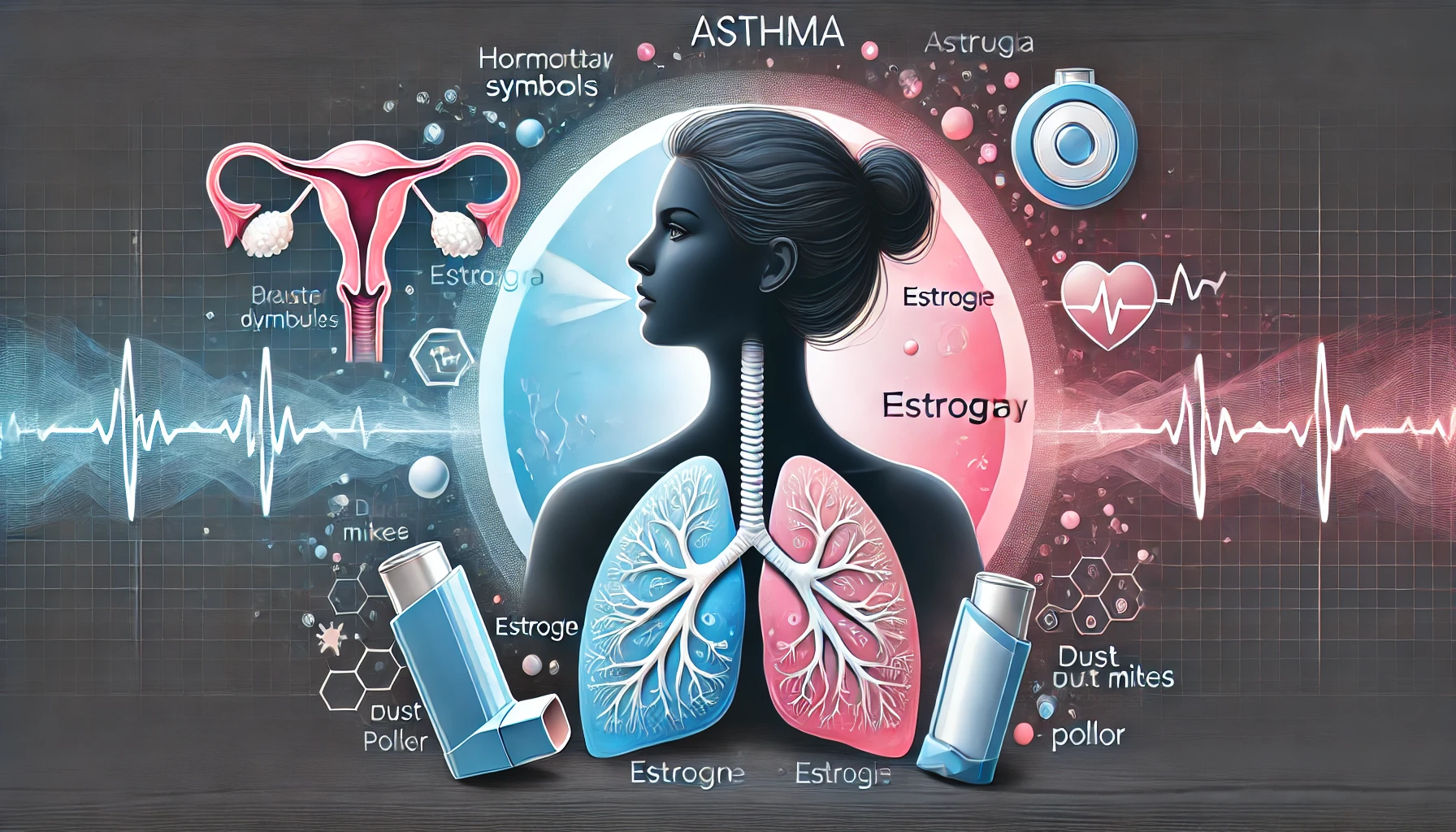
Asthma affects millions of people worldwide, but did you know that it can be more severe for women than men? Research shows that asthma in women tends to be more persistent and intense due to hormonal fluctuations, environmental triggers, and gender differences in treatment responses. Women are not only more likely to suffer from asthma but are also at greater risk for severe asthma attacks, especially during pregnancy, menopause, and other hormone-related stages of life(Brigham and Women’s Hospital).
In this post, we’ll explore why asthma symptoms in women can be more severe, how hormonal changes influence asthma, and what women can do to manage their condition effectively.
Asthma and Hormonal Changes: The Impact of Estrogen and Menopause
Hormones play a crucial role in how asthma in women develops and progresses. After puberty, more women are diagnosed with asthma than men, and many experience a worsening of symptoms at specific times of the month, during pregnancy, or after menopause. This pattern points to the influence of hormones, particularly estrogen, on asthma symptoms(Brigham and Women’s Hospital).
During menstruation, some women experience asthma exacerbation or worsening symptoms due to hormonal fluctuations. Known as perimenstrual asthma, this condition highlights how changes in estrogen and progesterone levels affect airway inflammation and sensitivity. Studies suggest that estrogen and asthma are closely linked, with higher estrogen levels potentially making women more susceptible to asthma flare-ups(Brigham and Women’s Hospital) .
Asthma and Menopause
Asthma doesn’t just affect younger women. As women age, the transition to menopause can bring new challenges for asthma management. During this period, asthma and menopause become an intertwined issue as fluctuating hormone levels, particularly the drop in estrogen, can worsen symptoms. Women on hormone replacement therapy (HRT) to manage menopause symptoms may experience an increased risk of developing asthma(Brigham and Women’s Hospital).
Severe Asthma in Women: Gender Differences in Symptoms and Treatment
Women are more likely to suffer from severe asthma, which means they experience more frequent and intense attacks than men. Studies show that gender differences in asthma may arise due to biological, hormonal, and environmental factors . For instance, women with asthma are more likely to require hospitalization and face more challenges in controlling their symptoms than men.
Treatment Differences for Women
There is growing evidence that asthma treatment differences by gender exist, as women often have a slower response to conventional asthma treatments, such as inhaled corticosteroids. This makes it crucial for doctors to consider these gender-specific responses when prescribing medications. Women may also be more prone to certain asthma triggers, which can further complicate treatment(Brigham and Women’s Hospital).
Identifying Asthma Triggers in Women: What Makes Asthma Worse?
Many women find that their asthma triggers differ from men’s. Common asthma triggers in women include allergens, cold air, exercise, and smoke, but hormonal changes can also exacerbate symptoms. For example, pregnancy and menopause can worsen asthma, making it essential to monitor triggers closely(Brigham and Women’s Hospital).
Pregnancy and Asthma
Managing asthma during pregnancy is crucial for both maternal and fetal health. Asthma can worsen or improve during pregnancy, but in many cases, women experience asthma exacerbation during pregnancy, leading to a higher risk of complications such as preterm birth or low birth weight. Women should work with their healthcare providers to create a safe treatment plan to manage symptoms during this critical time(Brigham and Women’s Hospital) .
Asthma Treatment Options for Women
Given the differences in how women experience asthma, personalized treatment approaches are essential. Here are several treatment options for severe asthma in women:
- Inhaled corticosteroids: These are the cornerstone of asthma treatment and help reduce airway inflammation.
- Bronchodilators: These medications help open the airways, making it easier to breathe, especially during an asthma attack.
- Biologic therapies: For women with severe, uncontrolled asthma, biologic medications may offer relief by targeting specific pathways involved in asthma inflammation.
- Hormonal management: In cases where hormonal fluctuations are contributing to asthma symptoms, doctors may consider adjusting hormone therapies or treatments to better manage the condition(Brigham and Women’s Hospital) .
Managing Asthma During Hormonal Changes
Managing asthma during different hormonal phases can be challenging. Whether it’s during pregnancy, menopause, or the menstrual cycle, women should monitor their symptoms closely and work with healthcare providers to adjust treatments as needed. For example, adjusting asthma medications before the onset of menstruation or during pregnancy can help prevent severe asthma attacks(Brigham and Women’s Hospital).
Understanding Asthma in Women is Key to Better Management
Asthma affects women differently than men, and understanding these differences is essential for better management. From hormonal changes to unique triggers and treatment responses, women must navigate specific challenges to control their asthma effectively. Identifying the right treatment plan, being aware of triggers, and adjusting treatments during key hormonal phases can help women lead healthier, more active lives despite their asthma.
If you’re looking for more information on managing asthma and the unique challenges women face, visit Regent Studies for additional resources and expert insights.

You may also like