Aurora Alert: How to Experience Spectacular Northern Lights During Strong Geomagnetic Storms
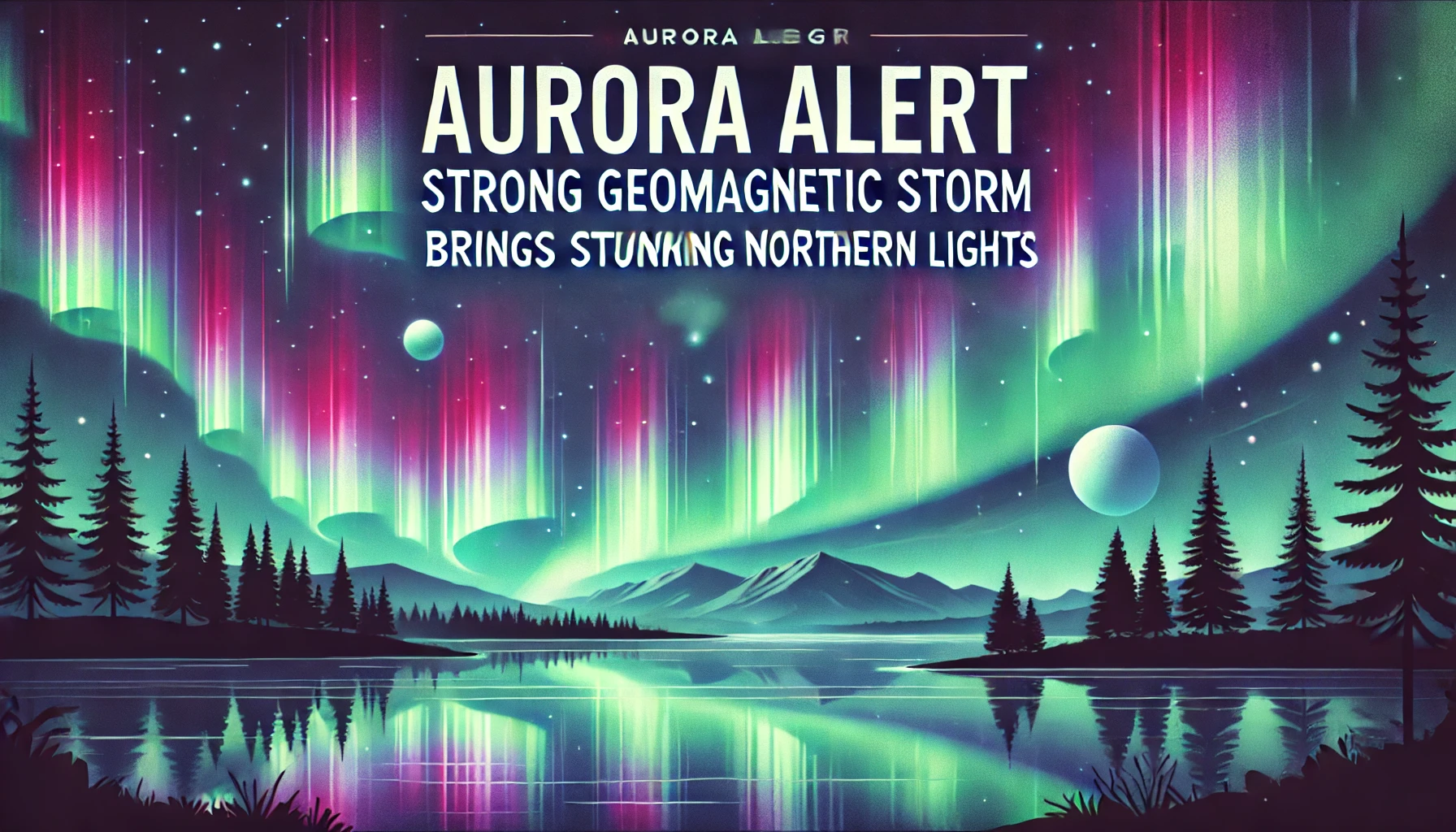
For skywatchers and space enthusiasts alike, the aurora borealis—more commonly known as the northern lights—presents one of the most mesmerizing natural displays on Earth. Tonight, due to an incoming strong geomagnetic storm, those lucky enough may witness a spectacular northern lights show, stretching across areas much farther south than usual. But what exactly causes these breathtaking light displays, and how can you ensure you don’t miss them?
In this blog, we’ll explore the science behind auroras, how geomagnetic storms and solar flares impact them, the best ways to view tonight’s northern lights, and the tools and aurora forecast apps you need to stay updated. Whether you are a seasoned aurora chaser or a first-time viewer, this guide will provide everything you need to witness this natural wonder.
What Are Northern Lights and How Do Geomagnetic Storms Cause Them?
The northern lights, or aurora borealis, are luminous displays of light that occur when electrically charged particles from the sun—primarily carried by solar flares and coronal mass ejections (CMEs)—collide with Earth’s magnetic field. This collision creates dazzling light displays that are visible near the poles, but during strong geomagnetic activity, they can appear much farther south.
How Geomagnetic Storms Trigger Auroras
A geomagnetic storm occurs when a solar event, such as a CME, sends charged particles toward Earth. When these particles hit the magnetosphere, they interact with gases in our atmosphere—such as oxygen and nitrogen—causing energy to be released in the form of light. This phenomenon is visible as the northern lights in the Northern Hemisphere and the aurora australis in the Southern Hemisphere.
Tonight, space weather forecasters are predicting a G3-level geomagnetic storm, which is strong enough to make auroras visible at mid-latitudes, including parts of the United States and Europe(Space.com)(Yahoo News).
Aurora Alert: Where and When to View Northern Lights Tonight
If you’ve been hoping to see the northern lights tonight, you’re in luck! Due to the forecasted geomagnetic storm, auroras might be visible much farther south than usual. But where exactly should you look, and what is the best time for viewing?
Best Places to See the Northern Lights
Typically, the aurora borealis is visible in high-latitude regions such as Alaska, Canada, Scandinavia, and Russia. However, during tonight’s geomagnetic storm, residents as far south as Oregon, Illinois, and even parts of the UK may be able to see the lights(Newsweek). The best places to view the auroras are areas with little to no light pollution, such as rural countryside locations.
When to Watch the Northern Lights
The timing of auroras depends on space weather, but tonight’s northern lights forecast suggests the best viewing times will be between midnight and 3 a.m., local time. For the most accurate updates, consider downloading an aurora forecast app that provides real-time alerts based on your location.
Tools to Track Aurora Borealis: Best Aurora Forecast Apps
For real-time updates on when and where to see the northern lights, having an aurora forecast app is essential. These apps can predict the intensity and visibility of auroras based on your geographic location and current space weather conditions.
Top Aurora Forecast Apps
- My Aurora Forecast & Alerts
This popular app is available on both iOS and Android. It provides real-time alerts, weather conditions, and forecasts to help you plan your viewing experience(Space.com). - Space Weather Live
This app is ideal for those looking for in-depth information on geomagnetic storms and solar activity. It includes detailed space weather data and forecasts, making it perfect for aurora chasers(Space.com). - Aurora Alerts – Northern Lights
This app offers live aurora updates, providing notifications when the aurora borealis is visible near your location. It also includes a map of aurora activity.
By using these tools, you can maximize your chances of witnessing tonight’s auroras and stay informed about future geomagnetic activity.
What Is a Solar Flare and How Does It Affect the Northern Lights?
A solar flare is a sudden burst of radiation from the sun’s surface. These flares often accompany coronal mass ejections (CMEs), which release streams of charged particles that can cause geomagnetic storms when they reach Earth. The energy from solar flares and CMEs can intensify auroras, making them more vibrant and widespread than during normal solar activity(Newsweek).
Recent Solar Flare Activity
Recently, the sun has been particularly active, with multiple solar flares reported over the past few days. These flares have significantly increased the chances of seeing northern lights tonight. In fact, the geomagnetic storm forecast for tonight is a result of a CME that erupted on October 1st(Space.com).
Why Space Weather Matters: The Science Behind Aurora Borealis
Space weather plays a crucial role in determining when and where the northern lights will be visible. The term refers to the environmental conditions in space, including solar winds, CMEs, and the state of Earth’s magnetic field. When space weather conditions are right, like they are tonight, the aurora borealis can be seen far beyond its usual range.
What Are Geomagnetic Storm Watches?
The National Oceanic and Atmospheric Administration (NOAA) issues geomagnetic storm watches to alert the public about incoming solar storms. These watches are classified using a scale from G1 (minor) to G5 (extreme). Tonight’s storm is forecasted at G3, which is strong enough to make auroras visible across much of the Northern Hemisphere(Yahoo News).
Tips for Viewing the Northern Lights
Now that you know when and where to look for the northern lights, here are some tips to ensure the best viewing experience:
- Find a Dark Location: Light pollution from cities can significantly reduce your chances of seeing auroras. Head to rural areas or parks away from urban lighting.
- Look North: In the Northern Hemisphere, the aurora borealis typically appears in the northern part of the sky.
- Be Patient: Auroras can be unpredictable, so plan to spend at least an hour stargazing. They may appear for just a few minutes or remain visible for several hours.
- Dress Warmly: If you’re in a colder climate, make sure to bundle up, as temperatures can drop quickly at night, especially during fall and winter months.
Don’t Miss Tonight’s Northern Lights Show
The combination of a strong geomagnetic storm, recent solar flare activity, and the favorable space weather conditions means that tonight’s northern lights display could be one for the books. Whether you’re watching from a rural location or tracking the auroras with an aurora forecast app, you won’t want to miss this spectacular event.
With the help of space weather alerts, forecast tools, and knowledge of the science behind auroras, you’ll be well-equipped to enjoy tonight’s show. For more detailed guides on scientific phenomena and natural wonders, be sure to check out Regent Studies for further insights.
External Source: NOAA Space Weather Prediction Center