
History and Craft of Traditional Washi Paper in Japan
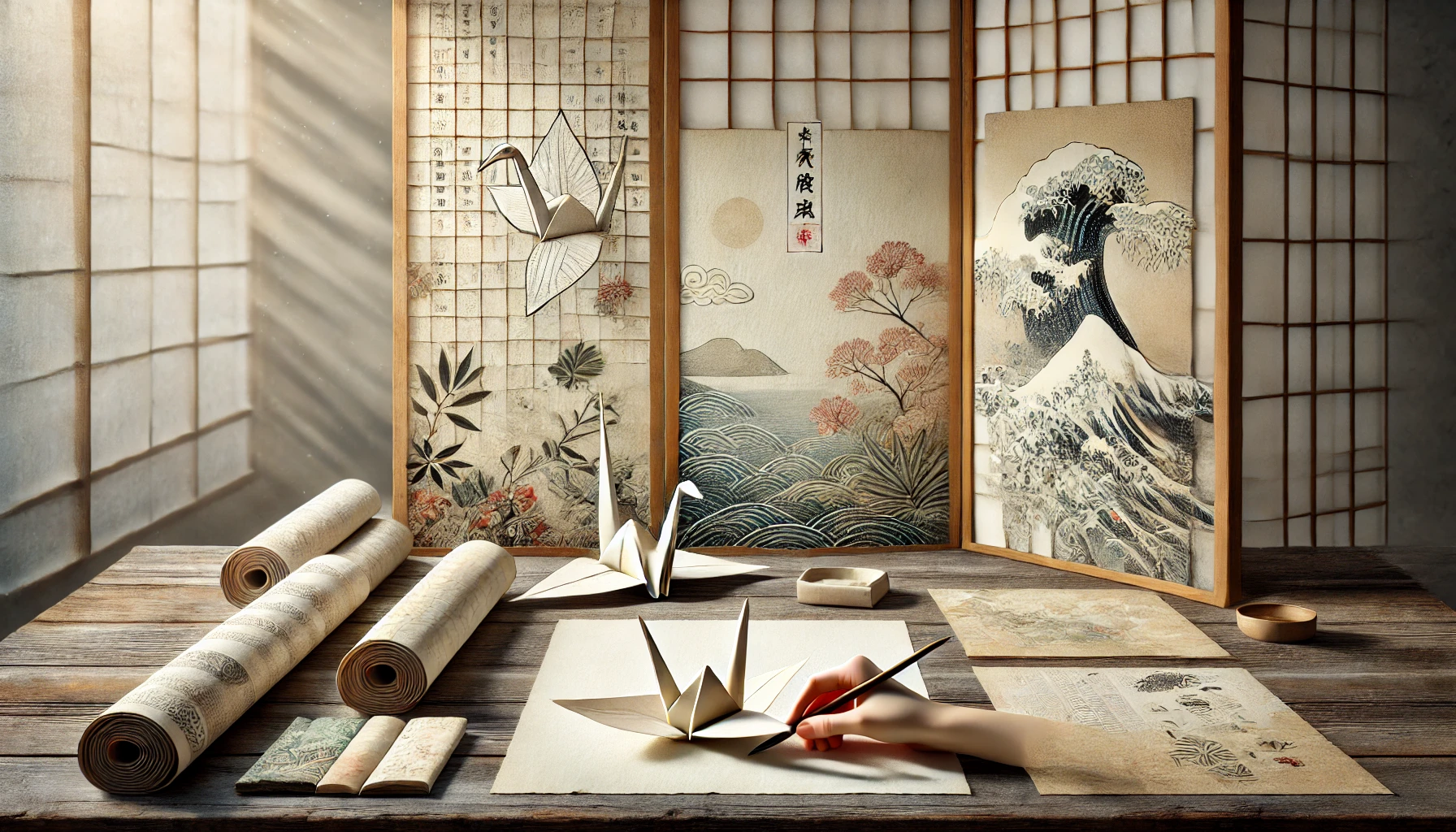
Washi Paper in Japan: Washi paper is much more than just paper—it’s a window into Japan’s rich history and craftsmanship. Handmade using traditional techniques that date back over a thousand years, traditional washi paper is a staple of Japanese culture and art. It’s used in everything from origami to interior design, and it plays an essential role in calligraphy and Japanese crafts.
In this blog, we’ll explore the fascinating world of traditional Japanese washi paper, its uses, different types, and why it continues to captivate people across the globe. Whether you’re interested in its historical significance or its modern-day applications, this post will give you insight into why washi paper is considered a timeless and versatile art form.
What Is Traditional Japanese Washi Paper?
Washi paper is a type of paper made by hand in Japan, typically from natural fibers like mulberry bark, also known as Kozo. The word “washi” comes from “wa,” meaning Japanese, and “shi,” meaning paper. While it may seem fragile, washi paper is highly durable and often used in both practical and artistic applications, such as origami, calligraphy, and Japanese painting.
Handmade Japanese Washi Paper: The Craft Behind It
The process of making handmade Japanese washi paper is labor-intensive and requires significant skill. Craftsmen start by harvesting fibers from Kozo (mulberry), Gampi, or Mitsumata plants. These fibers are soaked, boiled, and beaten into a pulp. Once the pulp is ready, it is spread on a bamboo screen and repeatedly dipped in water to form thin, even sheets. These sheets are then dried and processed, resulting in a unique, highly durable paper.
The History of Traditional Washi Paper in Japan
Traditional washi paper has its roots in China but was introduced to Japan during the 7th century. Over time, Japan refined the papermaking process, turning it into an art form. By the Edo period, washi paper was widely used for various purposes, from calligraphy and books to room dividers like shoji and fusuma (sliding doors).
Today, Japanese washi paper continues to be an important cultural asset. Several regions of Japan, such as Gifu and Fukui, are known for their washi paper production, particularly for creating Echizen washi paper. In 2014, UNESCO recognized traditional washi paper as part of Japan’s Intangible Cultural Heritage.
Different Types of Washi Paper and Their Uses
Japan is home to a wide variety of washi paper, each type serving a unique purpose. Whether used for art supplies, interior decoration, or crafts, these papers are prized for their versatility.
Kozo Washi Paper: A Sturdy and Versatile Paper
One of the most popular types of washi paper is Kozo washi paper, made from the bark of the Kozo tree. This paper is highly durable, even when thin, which makes it ideal for restoration work, Japanese calligraphy, and painting. Kozo paper is also used for interior design purposes, such as shoji screens and fusuma doors, due to its ability to diffuse light while providing privacy.
Yuzen Washi Paper: A Decorative Marvel
Yuzen washi paper is known for its elaborate designs and vivid patterns, often inspired by traditional Japanese kimonos. The intricate patterns on Yuzen paper are created through a dyeing process that applies one color at a time, making it a popular choice for origami, gift wrapping, and even fine art.
Echizen Washi Paper: A Regional Treasure
Originating from Fukui Prefecture, Echizen washi paper is highly regarded for its superior quality and craftsmanship. This paper is often used in art supplies and restoration projects, particularly in preserving historical texts and artworks. Echizen washi paper is so revered that it’s been produced in the same region for over 1,500 years.
Washi Paper in Modern Art and Craft
While washi paper has a long history in Japan, it remains popular in modern art and crafts. Many artists and crafters continue to use washi paper art supplies to create unique works that blend traditional techniques with contemporary styles.
Washi Paper for Origami
One of the most common uses for washi paper is in origami, the Japanese art of paper folding. The flexibility and strength of washi paper make it ideal for creating delicate and intricate designs that wouldn’t be possible with regular paper. The texture and color of Yuzen washi paper are particularly favored by origami artists looking to add a decorative touch to their creations.
Japanese Calligraphy Paper
Another major use of washi paper is in Japanese calligraphy. Calligraphy paper must be able to absorb ink without bleeding, and washi paper excels in this area. The fibers in Kozo washi paper allow for smooth ink application, ensuring that the brush strokes remain sharp and vibrant. Many artists and calligraphers prefer washi paper over regular paper for its superior texture and ink-absorption qualities.
Decorative Uses of Washi Paper in Design
Beyond its artistic applications, decorative washi paper has found a place in interior design. From wall coverings to lampshades, washi paper adds a soft, warm glow to any space, creating a serene and traditional Japanese atmosphere. It’s often used in the construction of shoji screens, fusuma doors, and lanterns, bringing a touch of elegance to homes, restaurants, and galleries.
Washi Paper Art Supplies for Crafters
For those involved in crafting, washi paper art supplies are widely available. Crafters use washi paper for making handmade cards, scrapbooks, and even jewelry. The durability and beauty of the paper make it ideal for projects that require both form and function. Additionally, the wide variety of colors and textures ensures that there’s a washi paper suitable for any artistic project.
Why Washi Paper Is Still Relevant Today
Despite the digital age, washi paper continues to thrive both in Japan and around the world. The paper’s eco-friendly properties—being made from renewable natural fibers—make it appealing in today’s sustainability-focused culture. The traditional methods used in creating handmade Japanese washi paper also resonate with those seeking to support artisans and preserve cultural heritage.
Moreover, its versatility and unique texture ensure that washi paper remains a favorite among artists, designers, and crafters alike. Whether you’re creating a delicate origami crane or restoring a centuries-old manuscript, traditional washi paper offers durability, beauty, and history in every sheet.
The Timeless Appeal of Traditional Washi Paper
In conclusion, traditional Japanese washi paper is not only a testament to Japan’s rich cultural history but also a highly adaptable medium for modern art and craft. From Kozo washi paper used in Japanese calligraphy to the intricate designs of Yuzen washi paper, the versatility and strength of washi make it suitable for a wide range of applications.
Whether you’re an artist, a crafter, or simply a lover of Japanese culture, washi paper offers endless possibilities for creative expression. To learn more about the history and uses of traditional washi paper, visit Regent Studies for educational insights and resources.
For additional reading on the types of washi paper and their uses, check out this external guide on washi paper (OZU WASHI).

You may also like

How to Read Body Language: Mastering the Art of Non-Verbal Communication

Earbuds vs Headphones: Which Is Better for You?