
Japan Green Tea: From Sencha to Gyokuro
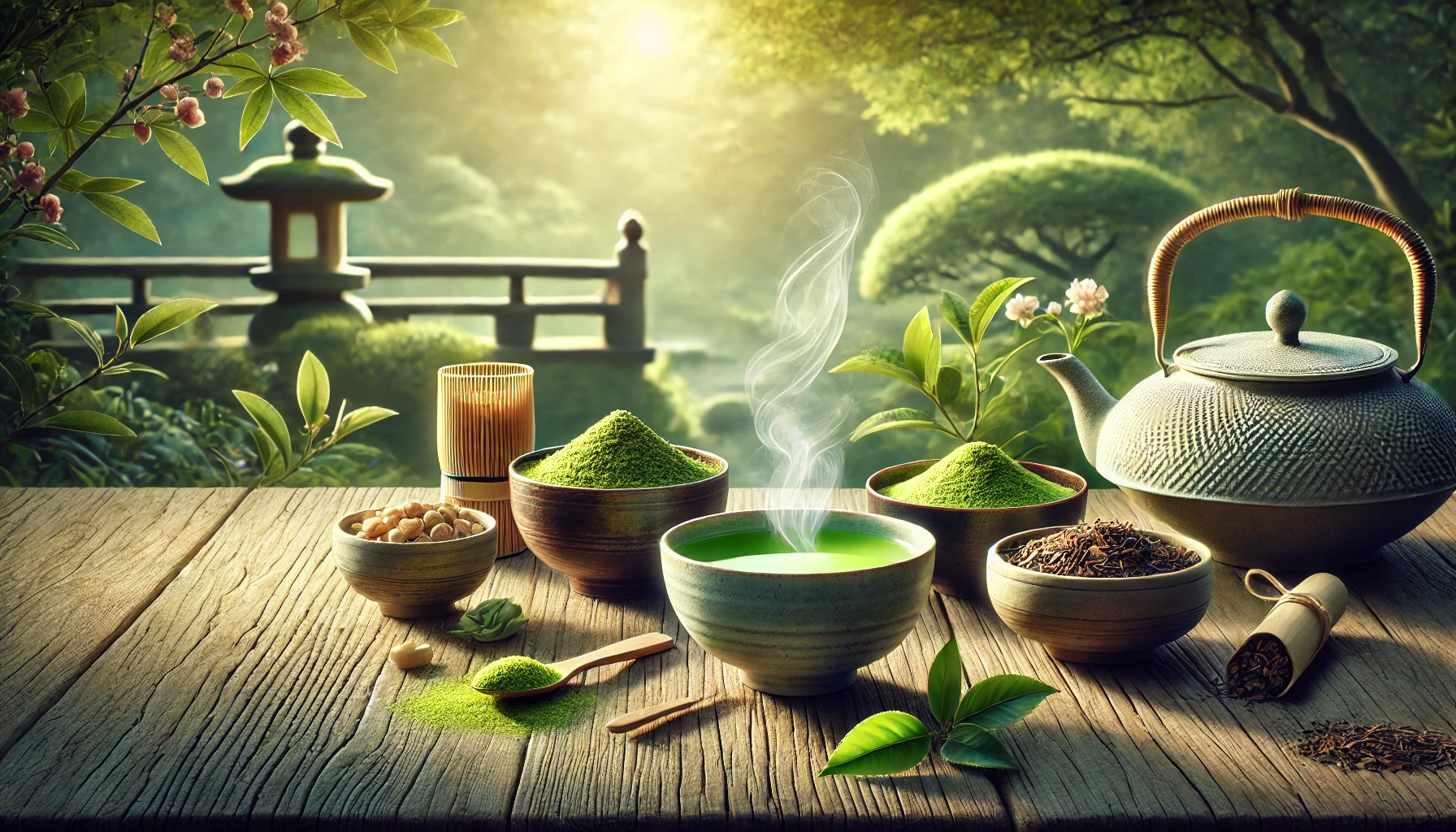
Japan Green Tea: Japan has long been synonymous with tea culture, and Japanese green tea is celebrated worldwide for its delicate flavors, health benefits, and intricate preparation rituals. Whether you’re a seasoned tea enthusiast or new to the world of green tea, Japan offers a wide range of teas with unique flavor profiles. From everyday favorites like Sencha to luxurious varieties like Gyokuro, there’s something for everyone in Japan’s rich tea heritage.
In this blog, we’ll explore the most popular types of Japanese green tea, including Hojicha, Genmaicha, and Matcha, while highlighting their health benefits and the best brands to try. By the end of this guide, you’ll be ready to savor the finest Japanese green tea offerings.
What Is Japanese Green Tea?
Japanese green tea is primarily produced by steaming freshly harvested leaves, a technique that preserves its bright green color and retains more antioxidants compared to other tea-making methods. This contrasts with Chinese green tea, which is typically pan-fried.
Tea in Japan has a deep cultural history, rooted in the principles of tranquility and mindfulness. But what sets Japanese green tea apart is the diversity of flavors, processing methods, and the specific regions where it’s grown.
Sencha Green Tea: Japan’s Most Popular Tea
Of all the types of Japanese green tea, Sencha stands as the most popular. It accounts for roughly 70% of Japan’s green tea production and is widely consumed across the country. This tea is known for its fresh, vegetal flavor, often described as grassy or lightly sweet.
Flavor Profile and Health Benefits of Sencha
Sencha green tea offers a well-balanced flavor that can range from mild to astringent depending on the brewing time and temperature. It’s typically enjoyed throughout the day and pairs well with Japanese meals. Sencha is also high in antioxidants, such as catechins, which are known to support heart health and reduce inflammation.
Health benefits of Sencha green tea include:
- Improved metabolism
- Reduced risk of cardiovascular diseases
- High levels of antioxidants for skin health
Matcha Green Tea: A Ceremonial Favorite
When most people think of Japanese green tea, Matcha often comes to mind. This powdered green tea is integral to Japanese tea ceremonies and has recently gained popularity worldwide for its versatility in beverages and desserts.
What Makes Matcha Special?
Unlike other teas, Matcha green tea is made from finely ground tea leaves, meaning you’re consuming the entire leaf rather than just an infusion. This gives it a more concentrated flavor and higher nutritional content. Matcha is known for its bright green color, umami taste, and creamy texture, making it ideal for both drinking and culinary uses.
Matcha health benefits include:
- High levels of L-theanine, which promotes relaxation without drowsiness
- Enhanced focus and alertness due to its moderate caffeine content
- Antioxidant properties that support detoxification
Gyokuro Green Tea: The Luxury Choice
For those looking to indulge, Gyokuro green tea offers one of the finest tea experiences in Japan. Unlike Sencha, Gyokuro tea plants are shaded from direct sunlight for several weeks before harvest, resulting in a rich, full-bodied flavor.
Why Is Gyokuro So Special?
This unique shading process increases the concentration of chlorophyll and amino acids in the tea leaves, giving Gyokuro its signature umami taste, which is smoother and less astringent than other teas. The shading also boosts the tea’s health benefits, making it higher in nutrients like catechins and theanine.
Gyokuro is best enjoyed with short, slow brewing times to bring out its nuanced flavors.
Hojicha Green Tea: A Roasted Delight
While most Japanese green teas are steamed, Hojicha stands out for its distinct roasting process. This tea is made from roasted Sencha or Bancha leaves, giving it a reddish-brown hue and a nutty, smoky flavor.
What Sets Hojicha Apart?
Hojicha green tea has a lower caffeine content due to the roasting process, making it a popular choice for evening drinking. Its earthy, toasty flavor is beloved by many, and it’s often served alongside desserts in Japanese restaurants. Because of its low acidity, Hojicha is easy on the stomach, making it a great option for those with sensitive digestion.
Genmaicha Tea: The Perfect Blend of Green Tea and Roasted Rice
Genmaicha is a blend of green tea and roasted brown rice, creating a unique nutty flavor profile. Traditionally, it was considered a “commoner’s tea,” but today it’s appreciated by tea lovers for its comforting and well-balanced taste.
The Flavor and Health Benefits of Genmaicha
The roasted rice in Genmaicha tea gives it a toasty, almost popcorn-like flavor that pairs well with the freshness of green tea. It’s perfect for those who want a milder green tea with a fuller body.
Health benefits of Genmaicha include:
- Lower caffeine content than pure green teas, making it ideal for daily consumption
- The antioxidants in green tea combined with the benefits of brown rice for digestion
Shincha and Kabusecha: Early Harvest and Shaded Teas
While Sencha is the most common, Shincha (the first harvest of the season) and Kabusecha (a partially shaded tea) offer more exclusive tasting experiences.
Shincha: The First Flush
Shincha tea is made from the very first harvest of the year, typically in the spring. Its fresh, grassy flavor is highly sought after and is considered to capture the essence of the season. Tea lovers eagerly anticipate this first flush for its vibrant taste and bright green color.
Kabusecha: A Balanced Shaded Tea
Like Gyokuro, Kabusecha tea is shaded before harvest, but only for a shorter period. This partial shading results in a tea that strikes a balance between the robust flavors of Sencha and the umami richness of Gyokuro.
Japanese Green Tea Health Benefits: Why It’s Good for You
One of the main reasons Japanese green tea has become so popular globally is due to its numerous health benefits. Rich in antioxidants, vitamins, and minerals, Japanese green tea can be a great addition to a healthy lifestyle.
Key Health Benefits of Japanese Green Tea
- Supports heart health: Regular consumption of green tea is linked to lower cholesterol levels and improved cardiovascular health.
- Promotes weight loss: Catechins in green tea help boost metabolism, making it a popular choice for those looking to maintain a healthy weight.
- Boosts brain function: The combination of caffeine and L-theanine in green tea provides a calm yet alert state, making it great for focus and concentration.
Best Japanese Green Tea Brands to Try
If you’re looking to explore the world of Japanese green tea, it’s essential to choose high-quality brands that offer authentic teas. Some of the best Japanese green tea brands include:
- Ito En: Known for its premium bottled teas and loose-leaf varieties
- Ippodo Tea Co.: A Kyoto-based company offering a range of traditional teas
- Yamamotoyama: A trusted brand with over 300 years of tea-making history
These brands are renowned for their dedication to quality, ensuring that you’ll experience the best of what Japanese green tea has to offer.
Discover the World of Japanese Green Tea
From the everyday pleasure of Sencha green tea to the luxurious richness of Gyokuro, Japanese green tea offers a diverse range of flavors and experiences. Whether you’re drawn to the bold umami of Matcha, the roasted goodness of Hojicha, or the unique blend of Genmaicha, there’s something for everyone to enjoy.
In addition to its delightful taste, Japanese green tea provides numerous health benefits, from improved metabolism to better brain function. Explore the wide variety of teas and find your favorite among Japan’s rich tea culture.
For more insights into the health benefits of green tea and other fascinating topics, visit Regent Studies.
For further exploration of tea varieties and brewing techniques, check out this comprehensive guide to Japanese tea.

You may also like