
How Flavonoid-Rich Foods Support Brain Health and Prevent Cognitive Decline
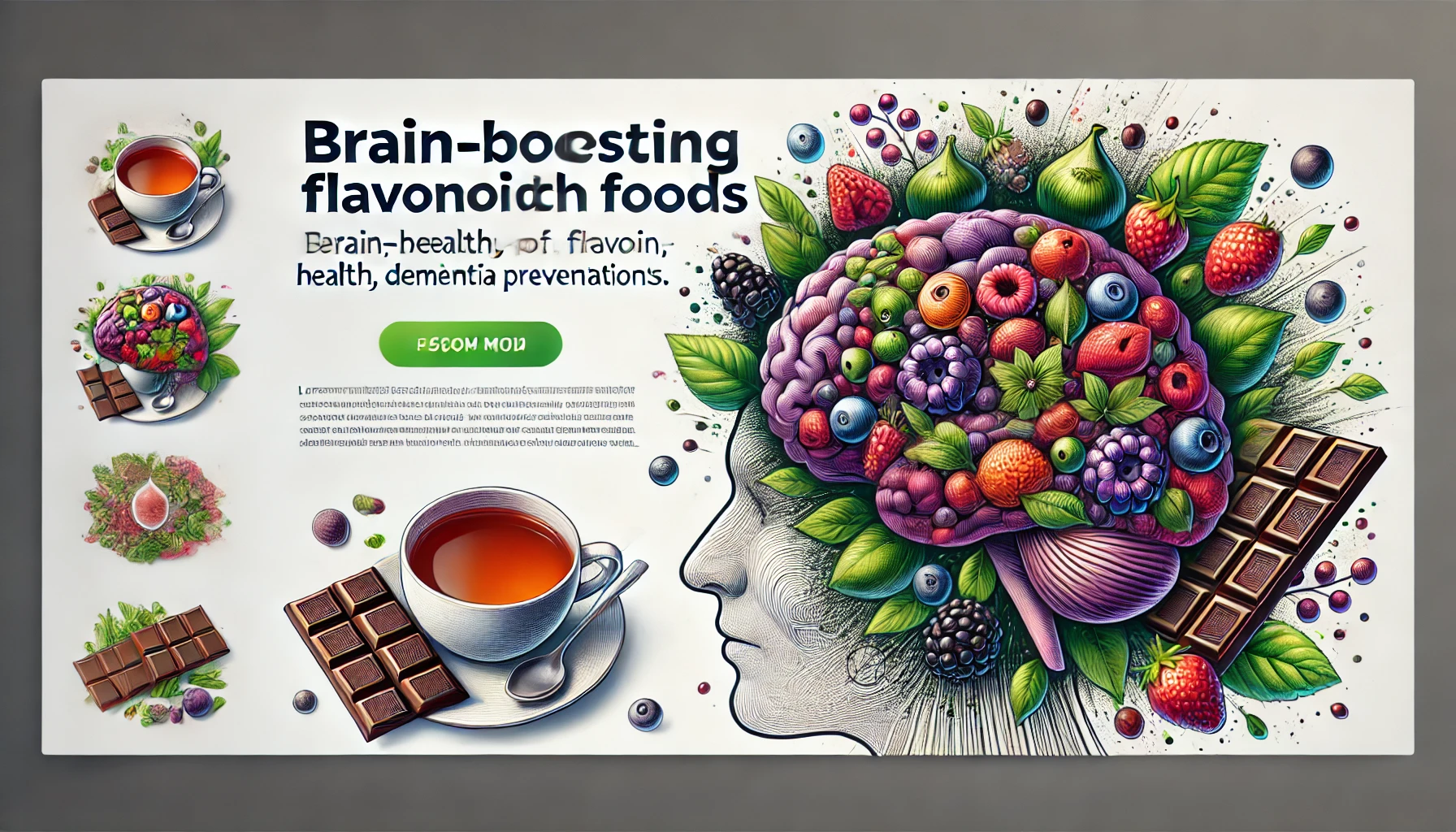
As we age, maintaining brain health becomes increasingly important. One promising area of research suggests that flavonoid-rich foods may play a critical role in preventing cognitive decline and reducing the risk of conditions like Alzheimer’s and dementia. Flavonoids, a type of plant-based antioxidant, are found in a wide variety of foods and beverages, including berries, tea, and dark chocolate. Studies have shown that regular consumption of these foods may improve brain function, combat oxidative stress, and even prevent the onset of dementia.
In this blog, we’ll explore how flavonoid-rich foods impact brain health, highlight the best foods to include in your diet, and discuss how antioxidants like flavonoids can support overall cognitive health.
What Are Flavonoids and How Do They Help Brain Health?
Flavonoids are a diverse group of phytonutrients found in fruits, vegetables, and certain beverages such as tea and wine. They have powerful antioxidant and anti-inflammatory properties that protect the body from oxidative stress—a key contributor to aging and degenerative diseases like dementia.
Flavanols and Brain Health
Among the many types of flavonoids, flavanols are particularly known for their positive impact on brain health. Research has linked flavanols to improved cognitive function and memory retention. Studies show that flavanols increase blood flow to the brain, which helps nourish brain cells and improves their efficiency. Additionally, they combat inflammation in the brain, which is believed to be one of the underlying causes of Alzheimer’s and other neurodegenerative diseases(The Institute for Functional Medicine)(The Healthy).
Flavonoid-Rich Foods for Cognitive Health
To harness the brain-boosting benefits of flavonoids, it’s essential to incorporate flavonoid-rich foods into your daily diet. Here are some of the best options:
1. Berries and Dementia Prevention
Berries, especially blueberries, strawberries, and blackberries, are rich in flavonoids known as anthocyanins. These compounds give berries their vibrant colors and have been linked to improved memory and slower cognitive decline. Studies have shown that consuming berries regularly can help prevent dementia by protecting the brain from oxidative stress and inflammation(The Healthy).
- Blueberries: High in anthocyanins, they support memory function.
- Strawberries: Contain flavonoids that delay brain aging.
- Blackberries: Provide antioxidants that protect brain cells from damage.
2. Tea and Cognitive Health
Green and black teas are excellent sources of flavonoids, particularly catechins and flavanols, which have been shown to improve brain function and reduce the risk of cognitive decline. Drinking tea regularly has been associated with a lower risk of Alzheimer’s disease and other forms of dementia(The Healthy).
- Green tea: Rich in catechins, it boosts brain function and enhances focus.
- Black tea: Contains theaflavins, which protect neurons and improve brain health.
3. Dark Chocolate
Dark chocolate, particularly varieties with a high cocoa content, is packed with flavonoids that improve blood flow to the brain and protect neurons. Consuming dark chocolate in moderation may help prevent cognitive decline and enhance cognitive performance(The Institute for Functional Medicine).
- Dark chocolate: A powerful source of flavanols that support brain health and cognitive function.
4. Citrus Fruits
Citrus fruits like oranges, lemons, and grapefruits contain high levels of flavonoids called flavanones, which have been shown to improve brain health. These compounds reduce inflammation in the brain and improve cognitive performance(The Healthy).
- Oranges: High in vitamin C and flavonoids, they help reduce the risk of dementia.
- Lemons: Contain flavanones that support brain function and delay mental decline.
The Link Between Antioxidant-Rich Foods and Cognitive Function
Oxidative stress is a leading cause of brain aging and neurodegenerative diseases like Alzheimer’s. By consuming antioxidant-rich foods, you can combat oxidative damage and support overall cognitive health. Flavonoids, as potent antioxidants, play a crucial role in neutralizing harmful free radicals that contribute to brain cell damage(The Institute for Functional Medicine).
Antioxidants for Brain Health
In addition to flavonoids, other antioxidant-rich foods such as nuts, seeds, and leafy greens provide essential nutrients that support brain function. These foods help reduce inflammation and protect neurons, ultimately enhancing memory and cognitive abilities.
- Walnuts: Rich in omega-3 fatty acids and antioxidants, walnuts are known to improve cognitive function.
- Spinach: High in lutein and flavonoids, spinach helps protect the brain from oxidative stress.
How a Dementia Prevention Diet Can Protect the Brain
Research has shown that diet plays a significant role in preventing cognitive decline and reducing the risk of dementia. A dementia prevention diet that emphasizes the consumption of flavonoid-rich foods and drinks can significantly impact brain health. In particular, diets like the Mediterranean and MIND diets, which are rich in fruits, vegetables, whole grains, and healthy fats, have been linked to a lower risk of cognitive decline(The Institute for Functional Medicine).
Key Components of a Dementia Prevention Diet:
- Fruits and Vegetables: Loaded with flavonoids and antioxidants, they protect brain cells from damage.
- Whole Grains: Provide fiber and B-vitamins that support cognitive health.
- Healthy Fats: Omega-3 fatty acids found in fish and nuts reduce inflammation in the brain and promote neuron health.
Incorporating these elements into your daily meals can help prevent cognitive decline and support long-term brain health.
How Flavonoids Protect Against Alzheimer’s and Cognitive Decline
Studies have shown that a diet rich in flavonoids may help prevent or slow the progression of Alzheimer’s disease and other forms of cognitive decline. Flavonoids not only protect brain cells from oxidative damage, but they also improve blood flow to the brain and reduce inflammation. This combination of benefits makes flavonoids a powerful tool in the fight against Alzheimer’s(The Healthy).
Flavonoids and Alzheimer’s Prevention
By including flavonoid-rich foods in your diet, you can help protect your brain from the risk factors associated with Alzheimer’s. Foods like berries, dark chocolate, and tea have been shown to improve cognitive function and delay the onset of memory loss.
The Brain-Boosting Power of Flavonoids
The evidence is clear: incorporating flavonoid-rich foods into your diet can support brain health and help prevent cognitive decline. Whether it’s the anthocyanins in berries, the catechins in tea, or the flavanols in dark chocolate, these powerful antioxidants can play a crucial role in protecting your brain from aging and neurodegenerative diseases like Alzheimer’s. By making small changes to your daily diet, such as including more fruits, vegetables, and antioxidant-rich foods, you can take proactive steps to safeguard your brain health for years to come.
To learn more about how diet affects cognitive function, check out additional resources at Regent Studies. For further information on how flavonoids and antioxidants contribute to brain health, visit the CDC’s Guide on Dementia Prevention.
By prioritizing foods rich in flavonoids, you can nourish your brain, reduce the risk of dementia, and support cognitive health throughout your life.

You may also like