When Was the Last Time Antarctica Was Ice-Free?
Antarctica, the vast and icy continent at the southernmost part of Earth, has not always been the frozen wilderness we know today. For millions of years, this icy expanse has been locked under thick ice sheets, but there was a time when Antarctica was ice-free, teeming with life. Understanding when and why the last ice-free period occurred not only gives us insight into the Earth’s past but also offers clues about how future climate changes might reshape the continent.
In this blog, we’ll explore the Antarctic ice-free history, focusing on the Eocene-Oligocene transition, the formation of the Antarctic ice sheet, and how ongoing climate change could affect the future of this frozen landmass. Along the way, we’ll dive into Antarctic glacial history, the role of the Antarctic circumpolar current, and the potential for another ice-free period in the future.
Antarctica’s Ice-Free Past: The Eocene-Oligocene Transition
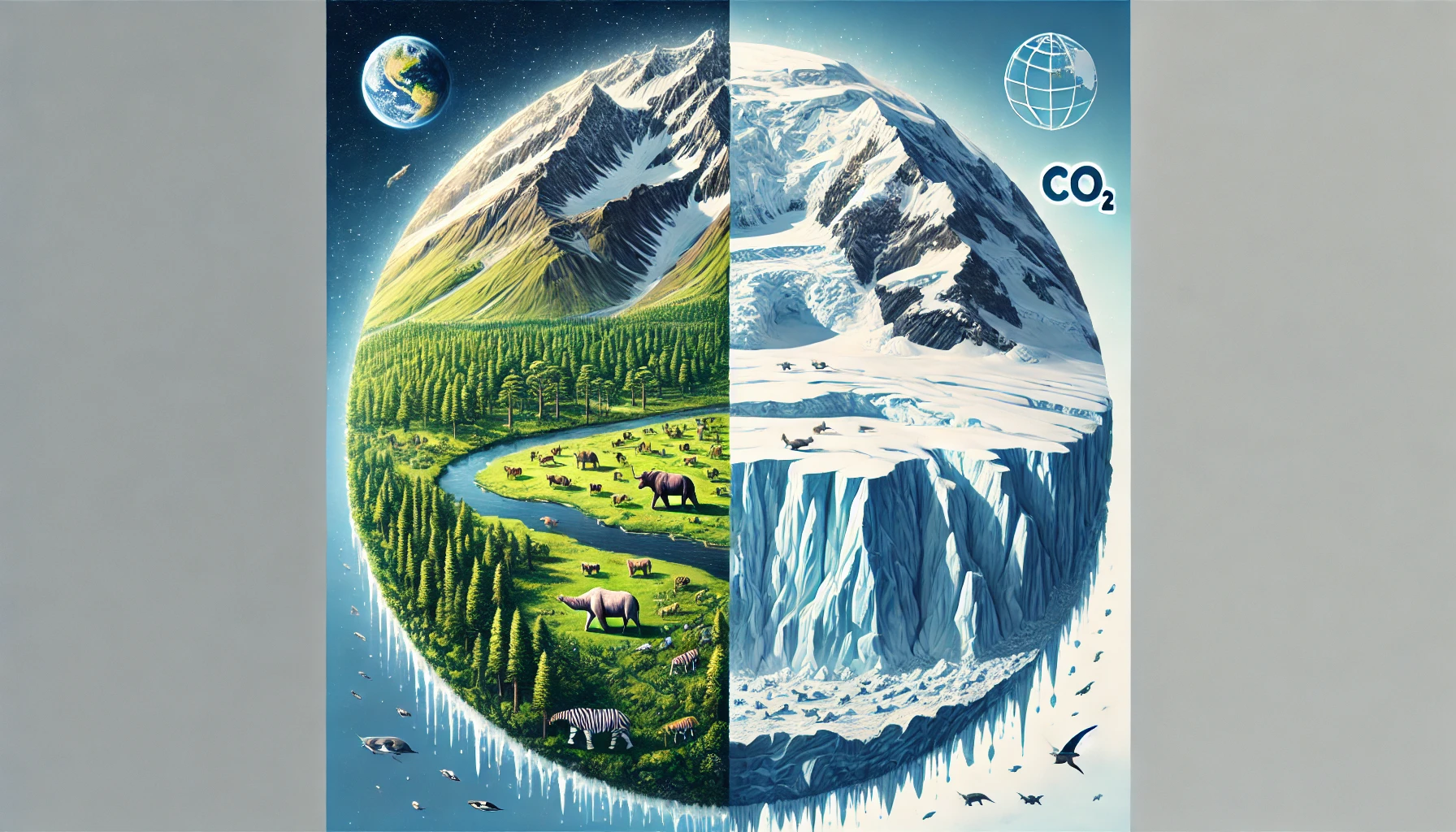
Antarctica wasn’t always the cold and desolate place it is today. In fact, the last time Antarctica was ice-free dates back around 34 million years ago, during a critical period known as the Eocene-Oligocene transition. Before this time, the Earth was much warmer, and the carbon dioxide (CO2) concentration in the atmosphere was significantly higher than it is today. Studies suggest that CO2 levels ranged from 1,000 to 2,000 parts per million (ppm), trapping heat and creating a greenhouse-like effect(WILD FREAKS).
How the Eocene-Oligocene Transition Shaped Antarctica
During the Eocene-Oligocene transition, there was a sharp decrease in CO2 levels, which triggered global cooling. This cooling, combined with tectonic shifts, led to the formation of the Antarctic ice sheet. One of the key geological changes was the separation of South America from Antarctica, opening the Drake Passage and allowing the formation of the Antarctic circumpolar current. This current isolated Antarctica from warm ocean waters, further cooling the continent and allowing the first ice sheets to form(WILD FREAKS).
What Was Antarctica Like 34 Million Years Ago?
Before the ice sheets formed, Antarctica 34 million years ago was a warmer and more temperate environment. Fossil evidence suggests the continent was covered in lush forests, inhabited by diverse plant and animal species. As CO2 levels dropped and the Antarctic ice sheet formed, these ecosystems were buried under ice, marking the start of a permanent freeze that has lasted to this day.
The Formation of the Antarctic Ice Sheet
The formation of the Antarctic ice sheet was a monumental event in Earth’s geological history. The rapid drop in global temperatures and the opening of the Antarctic circumpolar current created the ideal conditions for ice to accumulate across the continent. This process was driven by a combination of lower atmospheric CO2 levels and the geographic isolation of the Antarctic landmass.
Miocene Antarctica: Another Period of Change
While the formation of the Antarctic ice sheet is often traced back to the Eocene-Oligocene transition, there have been other significant periods of glaciation and ice-free episodes. During the Miocene Antarctica, around 23 to 5 million years ago, the continent experienced periods of both ice growth and retreat. This era is key to understanding Antarctic glacial history, as the ice sheets continued to evolve in response to fluctuations in global climate(WILD FREAKS).
Scientists studying the Miocene Antarctica have found evidence that even during periods of extreme cold, there were brief interludes where the ice sheets partially melted, allowing parts of the continent to be ice-free again. This dynamic ice growth and retreat cycle have been instrumental in shaping the Antarctica we know today.
Could Antarctica Be Ice-Free Again?
As concerns about climate change grow, scientists are increasingly focused on the possibility of Antarctica becoming ice-free in the future. While it’s unlikely that human activity will cause a complete melt of the Antarctic ice sheet anytime soon, significant ice loss is already occurring. The melting of the West Antarctic Ice Sheet and the Antarctic Peninsula due to rising global temperatures is contributing to rising sea levels, sparking concern among climate scientists.
Antarctic Ice Sheet Melting: What the Future Holds
The Antarctic ice sheet melting has accelerated over the past few decades, driven by warmer ocean currents that are eroding the ice shelves from beneath. If this trend continues, we could see significant portions of Antarctica’s ice sheet destabilize, potentially leading to a much larger-scale melt. Scientists predict that if the Antarctic ice sheet were to melt entirely, global sea levels could rise by up to 58 meters, dramatically altering coastlines and displacing millions of people worldwide(WILD FREAKS).
The Role of Climate Change in Antarctica’s Future
Antarctica’s climate change history offers a sobering reminder of the power of global temperature shifts. During past periods of high CO2 levels, such as the Eocene and Miocene epochs, Antarctica was ice-free. While it’s unlikely that we will see a complete ice-free Antarctica within the next few centuries, the ongoing warming of the planet makes it a plausible scenario over the longer term.
Ice-Free Periods in Earth’s History: Could It Happen Again?
Earth has gone through several ice-free periods in its history, most notably during the Mesozoic and Paleogene eras, when the poles were largely free of ice. These periods were marked by higher global temperatures, driven by elevated atmospheric CO2 levels and different continental configurations.
Learning from Earth’s Ice-Free Past
By studying ice-free periods in Earth’s history, scientists can better predict how current warming trends might affect the planet in the future. One of the most important lessons from these periods is the link between CO2 levels and global temperatures. As CO2 concentrations rise, Earth’s climate becomes warmer, and the risk of ice melt increases. This is why reducing carbon emissions and curbing global warming is so critical in preserving Antarctica’s ice sheets(WILD FREAKS)(Discover Magazine).
Antarctica’s Future Hinges on Global Action
The last time Antarctica was ice-free was during the Eocene-Oligocene transition, a pivotal moment in Earth’s climate history. Since then, the Antarctic ice sheet has expanded and contracted over millions of years, but today, it faces its greatest challenge yet: human-induced climate change.
While the possibility of a fully ice-free Antarctica may seem far off, the ongoing melting of the Antarctic ice sheet is a clear warning of what could happen if global temperatures continue to rise. As we learn more from Antarctic glacial history and study the Miocene Antarctica, it becomes evident that the future of Antarctica—and the planet—depends on our actions today.
To learn more about Antarctica’s climate history and other fascinating topics, visit Regent Studies.