How Geomagnetic Storms Impact Space Weather: Insights from NOAA and More
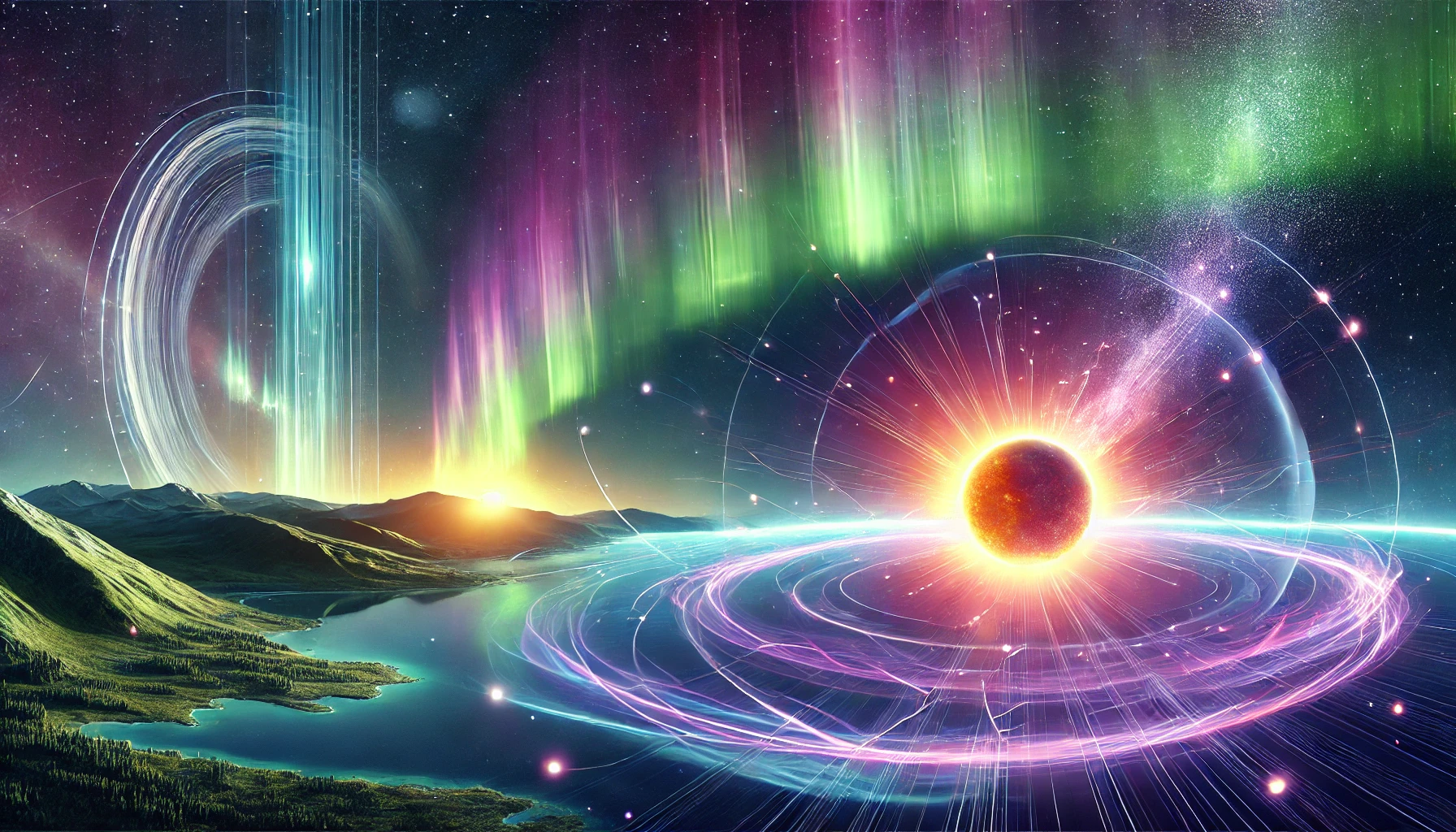
The Northern Lights, also known as the Aurora Borealis, are one of nature’s most stunning phenomena. These dazzling displays of color dance across the sky, mesmerizing all who witness them. However, what most people don’t realize is that the Northern Lights are a direct result of geomagnetic storms and the complex world of space weather. In the coming week, a geomagnetic storm watch has been issued, meaning that these beautiful lights may soon be visible in parts of the United States. But what exactly causes these storms, and how does NOAA Space Weather help predict these cosmic events?
In this blog post, we’ll explore how geomagnetic storms affect space weather, the role of solar storms and coronal mass ejections, and how to catch a glimpse of the Northern Lights during these solar events. Let’s dive into the fascinating connection between our Sun and these mesmerizing natural phenomena.
What Are Geomagnetic Storms and How Do They Affect Space Weather?
Geomagnetic storms occur when electrically charged particles from the Sun, typically carried by a coronal mass ejection (CME) or solar storm, collide with Earth’s magnetosphere. These storms can vary in intensity, with NOAA categorizing them on a G-scale from G1 (minor) to G5 (extreme). During a geomagnetic storm, the charged particles interact with gases in Earth’s atmosphere, producing the vibrant lights we know as the Aurora Borealis in the Northern Hemisphere and the Aurora Australis in the Southern Hemisphere.
How Space Weather Is Impacted by Geomagnetic Storms
Space weather refers to the conditions in space caused by solar activity, and it has far-reaching effects beyond just producing auroras. Geomagnetic storms can disrupt satellite communications, interfere with GPS systems, and even affect power grids on Earth. The more intense the storm, the greater the potential for disruption. For example, a G5-class storm could lead to widespread power outages and satellite failures, while a G1-class storm may only cause minor disturbances.
NOAA’s Space Weather Prediction Center (SWPC) monitors these storms closely and issues alerts and warnings to help mitigate their impact on space-based and terrestrial systems. Tracking space weather is crucial for industries such as aviation, satellite communications, and power grid management, which can be vulnerable to the effects of these storms.
Visit Regent Studies for educational resources on space weather and solar activity.
What Are Coronal Mass Ejections and Solar Storms?
The Sun is an incredibly dynamic star, constantly emitting streams of charged particles known as solar winds. However, occasionally the Sun releases large bursts of these particles in the form of coronal mass ejections (CMEs) or solar storms. These events propel massive amounts of plasma and magnetic fields toward Earth, and if they collide with the planet’s magnetic field, they can trigger geomagnetic storms.
The Science Behind Coronal Mass Ejections
Coronal mass ejections are large expulsions of plasma and magnetic field from the Sun’s corona, its outer atmosphere. These ejections can travel at speeds of millions of kilometers per hour, reaching Earth in just a few days. When they hit Earth’s magnetosphere, they can cause dramatic fluctuations in the magnetic field, leading to geomagnetic storms and producing the Northern Lights.
NOAA’s Space Weather Prediction Center provides forecasts and warnings for CMEs and solar storms, helping scientists and the public prepare for potential impacts. By analyzing data from satellites and ground-based instruments, NOAA can predict when a CME is likely to hit Earth and how strong its effects will be.
How Geomagnetic Storms Lead to the Northern Lights
One of the most visible effects of geomagnetic storms is the appearance of the Northern Lights (Aurora Borealis) and Southern Lights (Aurora Australis). These auroras are produced when the charged particles from a CME or solar storm interact with gases in Earth’s atmosphere, primarily oxygen and nitrogen. The energy released in these interactions produces vibrant colors in the sky, with green, pink, purple, and red hues being the most common.
Aurora Forecast: When and Where to See the Northern Lights
When a geomagnetic storm watch is issued, it’s the perfect time to keep an eye on the sky for the Northern Lights. NOAA provides an aurora forecast based on the intensity of incoming solar activity. The stronger the geomagnetic storm, the farther south the Aurora Borealis can be seen. For example, during strong G4 or G5-class storms, the lights may be visible as far south as the central United States.
To get the best chance of viewing the Northern Lights, it’s essential to check the aurora forecast regularly. Apps like My Aurora Forecast and NOAA Space Weather can provide real-time updates on where and when the lights are most likely to be visible based on your location.
Here are some tips for viewing the Northern Lights:
- Find a dark location: Light pollution can significantly diminish the visibility of auroras, so head to a location far from city lights.
- Check the weather: Clear skies are essential for a good viewing experience, so make sure there are no clouds obstructing the view.
- Be patient: The Northern Lights can be unpredictable, so give your eyes time to adjust to the darkness, and keep watching the skies for changes.
- Use a camera: Sometimes, auroras may be faint to the naked eye but can be captured more clearly with a camera using a long exposure setting.
The Role of NOAA Space Weather in Monitoring Solar Activity
The National Oceanic and Atmospheric Administration (NOAA) plays a critical role in monitoring space weather and forecasting geomagnetic storms. Using a combination of satellite data and ground-based observations, NOAA provides timely warnings about incoming solar storms, coronal mass ejections, and other space weather events.
NOAA’s Space Weather Prediction Center (SWPC)
NOAA’s Space Weather Prediction Center (SWPC) is the primary source of information for space weather forecasts in the United States. The SWPC monitors the Sun’s activity in real time, issuing alerts and warnings when solar storms are expected to impact Earth. These alerts are crucial for industries that rely on satellite communications, such as aviation, maritime navigation, and the military.
For example, during a strong solar storm, airlines flying polar routes may have to divert their flights to avoid communication blackouts caused by space weather. Power companies also rely on these forecasts to protect electrical grids from the potential damage caused by geomagnetic storms.
Learn more about NOAA’s space weather monitoring here.
How Geomagnetic Storms Affect Earth’s Magnetosphere
Earth’s magnetosphere acts as a protective shield against solar winds and coronal mass ejections. However, during intense geomagnetic storms, this protective shield can be disrupted, allowing solar particles to penetrate deeper into the atmosphere. This can lead to beautiful auroras, but it can also cause significant disturbances to satellite systems, power grids, and even astronauts in space.
Understanding the Magnetosphere’s Role
The magnetosphere is generated by Earth’s core, which produces a magnetic field that extends far into space. This magnetic field deflects most of the charged particles from the Sun, preventing them from reaching Earth’s surface. However, when a powerful solar storm occurs, the magnetosphere is compressed, and some particles manage to slip through, causing geomagnetic storms.
These storms can have real-world consequences. For instance, a severe storm in 1989 caused a massive blackout in Quebec, Canada, leaving millions without power for several hours. As technology becomes more reliant on satellite communications and electrical grids, understanding and predicting the effects of geomagnetic storms has never been more important.
The Connection Between Solar Activity and Space Weather
Solar activity, including solar storms and coronal mass ejections, is the driving force behind space weather. These events have the potential to disrupt life on Earth, but they also create some of the most breathtaking natural displays, such as the Northern Lights. By studying solar activity and its effects on Earth’s magnetosphere, scientists can better understand the complex interactions that govern our planet’s relationship with the Sun.
Preparing for Future Geomagnetic Storms
As solar activity continues to increase during the Sun’s current 11-year solar cycle, we can expect more frequent and intense geomagnetic storms. NOAA’s space weather forecasts provide crucial information for industries and the public, helping to minimize the risks associated with these storms while also offering a chance to witness the awe-inspiring beauty of the Aurora Borealis.
Stay informed about upcoming geomagnetic storms, and make sure to take advantage of opportunities to see the Northern Lights when a geomagnetic storm watch is in effect. With tools like NOAA’s aurora forecast and real-time space weather updates, you’ll never miss a chance to witness one of nature’s most stunning light shows.
In conclusion, the Northern Lights, solar storms, and space weather are all intricately connected, and by understanding these phenomena, we can better prepare for the effects of geomagnetic storms while enjoying the beauty of the night sky.