
How Air Pollution and Noise Harm Fertility: A Growing Concern
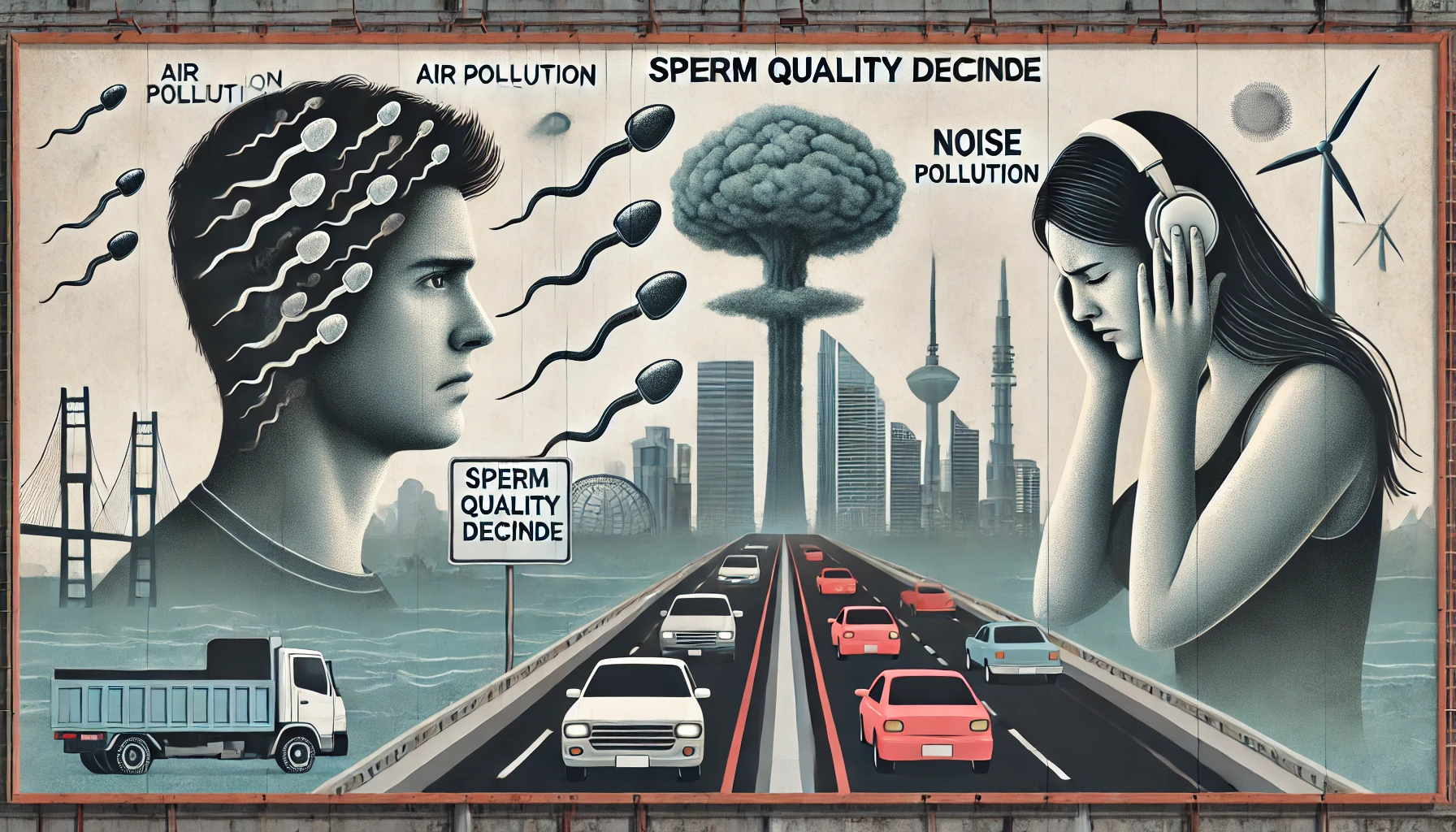
Environmental pollution is not just a threat to the planet but also to human fertility. Increasing evidence suggests that air pollution harms male fertility while noise pollution poses risks to women’s reproductive health. This blog will explore the connections between these environmental factors and their impacts on both male and female fertility.
Air Pollution and Fertility: A Growing Public Health Issue
Air pollution has long been associated with various health issues, from respiratory problems to cardiovascular diseases. However, research has now extended to the effects of air pollution on fertility, particularly among men. The toxic particles in polluted air, especially PM2.5, have been shown to negatively affect sperm quality and overall reproductive health.
How Air Pollution Affects Male Fertility
Exposure to air pollution, particularly to fine particulate matter known as PM2.5, is a significant contributor to the declining fertility rates in men. PM2.5, which consists of particles less than 2.5 microns in diameter, can penetrate deep into the lungs and even enter the bloodstream. Once in the body, these particles can interfere with the endocrine system, leading to hormonal imbalances that impact sperm production.
Studies have shown that men exposed to higher levels of PM2.5 over extended periods face a substantial decline in sperm count and quality. In particular, air pollution has been linked to lower sperm motility, which is a crucial factor for successful fertilization. This underscores the importance of addressing air pollution and fertility issues as part of public health efforts.
The Role of Particulate Matter in Male Reproductive Health
Particulate matter effects on fertility are now being recognized as a significant threat to reproductive health. In men, these particles have been found to increase oxidative stress, leading to DNA damage in sperm cells. This damage not only reduces the likelihood of conception but also raises the risk of passing on genetic mutations to offspring.
Furthermore, male fertility and air pollution are closely linked, as studies have shown that prolonged exposure to pollutants like nitrogen dioxide and sulfur dioxide can lead to reduced testosterone levels. This hormonal disruption further contributes to fertility challenges, as testosterone plays a crucial role in sperm production.
Air Pollution Health Effects Beyond Fertility
While the air pollution health effects on male fertility are concerning, the risks extend beyond reproduction. Airborne toxins like PM2.5 have been associated with chronic diseases such as asthma, heart disease, and even certain cancers. These conditions can indirectly impact fertility by weakening the body’s overall health and increasing stress, which is known to affect reproductive function.
For more information on how air pollution affects general health, including fertility, you can explore this detailed resource by the World Health Organization.
Noise Pollution and Female Fertility: An Overlooked Risk
While air pollution disproportionately affects male fertility, studies indicate that noise pollution poses significant risks to women’s reproductive health. Prolonged exposure to high levels of noise, particularly from road traffic, has been shown to increase the risk of infertility in women over 35.
How Noise Pollution Affects Female Fertility
Noise pollution and fertility are a growing concern, particularly for women who live in urban areas with constant exposure to road noise. Research has indicated that women exposed to high levels of traffic noise have a higher likelihood of facing fertility issues, especially those older than 35. In fact, studies suggest a 14% increased risk of infertility in women exposed to road noise at levels of 10.2 decibels or higher over five years.
The effects of female fertility and noise pollution stem from the stress that constant exposure to noise places on the body. Prolonged noise exposure elevates cortisol levels, which can disrupt hormonal balance and interfere with ovulation. Stress hormones like cortisol are known to reduce the chances of conception, particularly in older women.
Road Traffic Noise: A Silent Threat to Reproductive Health
Among the most concerning factors is road noise exposure, which many people experience daily. Living near busy streets can lead to chronic stress, sleep disturbances, and elevated cortisol levels, all of which are harmful to reproductive health. The relationship between road noise and fertility underscores the importance of noise pollution mitigation, particularly in densely populated urban areas.
Noise Pollution Health Effects Beyond Fertility
Noise pollution doesn’t just affect fertility; it also poses broader health risks. Chronic exposure to high levels of noise can lead to increased stress, sleep disorders, and even cardiovascular diseases. The health effects of noise pollution are cumulative, meaning the longer a person is exposed, the greater the potential harm.
The Environmental Impact on Fertility
The environmental impact on fertility is now being recognized as a significant contributor to rising infertility rates globally. Both air pollution and noise pollution play crucial roles in this crisis, with their effects on male and female reproductive health well-documented in recent studies.
Infertility Causes: Environmental Factors on the Rise
The causes of infertility are diverse, but environmental factors like air and noise pollution are becoming increasingly recognized as major contributors. Infertility causes environmental stressors, including pollutants in the air and constant noise exposure, are particularly dangerous because they often go unnoticed until significant harm has been done.
The fact that infertility causes environmental risks are rising highlights the need for more public awareness and stricter environmental regulations. Reducing exposure to these pollutants could significantly improve reproductive health outcomes for both men and women.
Taking Action: How to Mitigate the Risks
Addressing the air pollution and fertility crisis requires both individual and systemic changes. On a personal level, individuals can take steps to reduce their exposure to pollutants, such as using air purifiers, staying indoors on days with poor air quality, and minimizing exposure to traffic noise. On a broader scale, governments and policymakers must enforce stricter environmental regulations to limit pollution from industrial and vehicular sources.
Policy Solutions for a Healthier Future
To combat the environmental factors that contribute to infertility, policymakers must take action. Stricter emissions standards for vehicles and industries can help reduce PM2.5 levels, while noise ordinances in urban areas can limit the harmful effects of road noise on reproductive health. In addition, public health campaigns should focus on raising awareness about the health effects of pollution, encouraging individuals to protect themselves and their families from these invisible threats.
To explore more educational resources on environmental impacts and fertility, visit Regent Studies.
Protecting Reproductive Health from Environmental Pollution
The link between air pollution, noise pollution, and fertility is clear. Air pollution and fertility concerns are particularly prominent among men, while women face unique risks from constant noise pollution exposure. As these environmental threats continue to grow, it is critical to take action—both individually and collectively—to protect reproductive health.
From reducing exposure to PM2.5 and mitigating road noise to supporting policies aimed at limiting these pollutants, there are numerous ways to address the environmental causes of infertility. By taking these steps, we can improve both male and female fertility outcomes and create a healthier future for all.

You may also like