
Bird flu Avian Influenza H5N1: Symptoms, Mortality Rate, and How Bird Flu Affects Humans
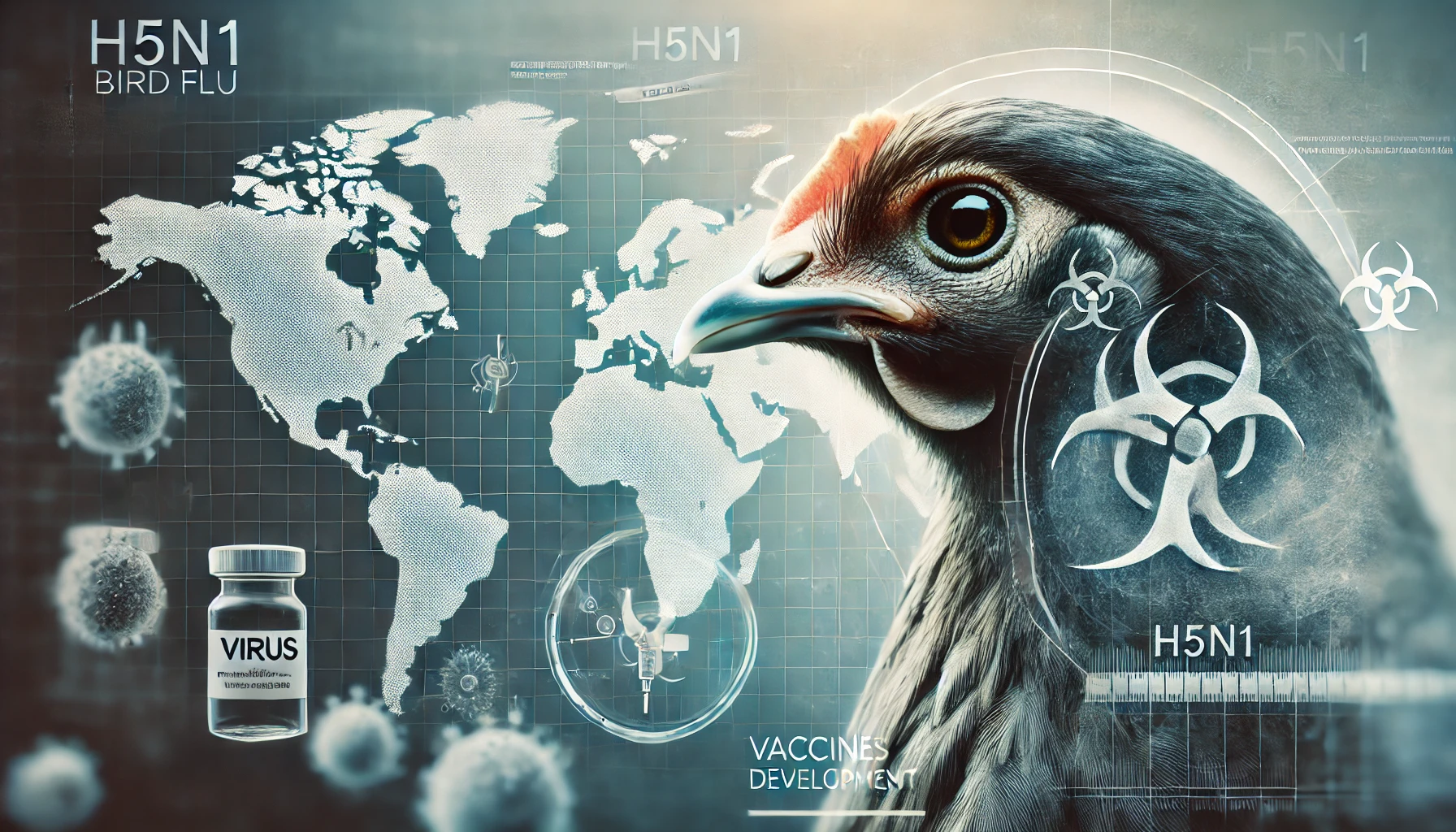
Bird flu Avian Influenza H5N1: Bird flu, officially known as Avian Influenza (H5N1), has been a topic of concern for health experts worldwide due to its potential to cause severe illness in humans. While H5N1 primarily affects birds, it can occasionally infect humans, leading to serious health implications. This blog post delves into the symptoms of H5N1 in humans, the mortality rate associated with the virus, and its overall impact on human health. By the end of this article, you’ll have a comprehensive understanding of how the H5N1 virus affects humans and why it’s a significant public health issue.
What is H5N1? An Overview of Avian Influenza
Avian Influenza H5N1, commonly referred to as bird flu, is a highly pathogenic virus that primarily affects birds, especially poultry. The virus was first identified in 1997 during an outbreak in Hong Kong, where it infected both birds and humans, leading to several fatalities. Since then, H5N1 has been closely monitored due to its potential to cause pandemics.
While the virus predominantly circulates among birds, it can occasionally jump to humans, particularly those in close contact with infected birds or contaminated environments. Human cases of H5N1 are rare but concerning because of the virus’s high mortality rate and the severe symptoms it can cause.
H5N1 Symptoms in Humans: What to Look Out For
Recognizing the symptoms of H5N1 in humans is crucial for early diagnosis and treatment. The symptoms of H5N1 bird flu in humans can range from mild to severe, and they often resemble those of other respiratory illnesses, making diagnosis challenging.
Common Symptoms of H5N1 in Humans
The initial symptoms of H5N1 in humans are similar to those of the common flu, which can make early detection difficult. These symptoms typically include:
- High fever (often exceeding 100.4°F or 38°C)
- Cough
- Sore throat
- Muscle aches
- Fatigue
As the infection progresses, more severe symptoms may develop, such as:
- Difficulty breathing or shortness of breath
- Pneumonia (which is often confirmed through a chest X-ray)
- Acute respiratory distress syndrome (ARDS)
- Multi-organ failure
The progression from mild to severe symptoms can be rapid, underscoring the importance of seeking medical attention if you suspect an H5N1 infection. According to the World Health Organization (WHO), the incubation period for H5N1 ranges from two to eight days, but it can extend up to 17 days.
H5N1 Bird Flu Mortality Rate: Understanding the Risks
One of the most alarming aspects of the H5N1 virus is its high mortality rate. Since its discovery, H5N1 has been responsible for hundreds of human deaths, primarily in countries where the virus is endemic among poultry.
What is the Mortality Rate of H5N1?
The mortality rate for H5N1 varies depending on the outbreak and the availability of medical care. However, the WHO estimates that the mortality rate for confirmed human cases is around 60%. This high mortality rate is one of the reasons why H5N1 is considered a significant threat to global health.
Factors Contributing to High Mortality Rates
Several factors contribute to the high mortality rate associated with H5N1, including:
- Delayed Diagnosis and Treatment: Because the symptoms of H5N1 mimic those of other respiratory illnesses, it can be difficult to diagnose the virus early, leading to delays in treatment.
- Lack of Effective Antiviral Treatment: While antiviral medications like oseltamivir (Tamiflu) can be effective in treating H5N1, they are most effective when administered early in the course of the illness. Delays in treatment can reduce their efficacy.
- Underlying Health Conditions: Individuals with pre-existing health conditions, such as respiratory or cardiovascular diseases, are at higher risk of severe outcomes if they contract H5N1.
H5N1 Transmission: How Does the Virus Spread?
Understanding how H5N1 is transmitted is key to preventing the spread of the virus and protecting public health. H5N1 is primarily spread through direct contact with infected birds, their droppings, or contaminated environments.
Human-to-Human Transmission of H5N1
Although H5N1 is highly contagious among birds, human-to-human transmission is rare. Most human cases have been linked to close contact with infected poultry, such as through handling or slaughtering birds, or through exposure to contaminated surfaces. However, there have been a few instances of limited human-to-human transmission, raising concerns about the virus’s potential to evolve and spread more easily among humans.
Preventing H5N1 Transmission
To reduce the risk of H5N1 transmission, the following precautions are recommended:
- Avoid Contact with Infected Birds: If you live in or visit an area where H5N1 is present, avoid contact with poultry farms, live bird markets, and any surfaces that may be contaminated with bird droppings.
- Practice Good Hygiene: Wash your hands thoroughly with soap and water after handling birds or poultry products. Use hand sanitizers if soap and water are not available.
- Cook Poultry Thoroughly: Ensure that all poultry and eggs are cooked to an internal temperature of at least 165°F (74°C) to kill any potential viruses.
Bird Flu H5N1 Outbreak 2024: Current Situation and What You Need to Know
As of 2024, there have been several reported outbreaks of H5N1 in various parts of the world, particularly in regions where the virus is endemic among birds. These outbreaks have led to increased surveillance and response efforts by health authorities.
Current Outbreaks and Affected Regions
Recent H5N1 outbreaks have been reported in Southeast Asia, the Middle East, and parts of Europe. These outbreaks have primarily affected poultry farms, leading to significant economic losses and increased culling efforts to prevent the spread of the virus.
Health authorities have also reported a few human cases of H5N1 in 2024, underscoring the need for continued vigilance. These cases have been linked to exposure to infected birds, highlighting the ongoing risk to humans in affected regions.
H5N1 Vaccine Development: Progress and Challenges
Given the high mortality rate and potential for outbreaks, developing an effective vaccine against H5N1 has been a priority for public health organizations. However, vaccine development has faced several challenges.
Current Status of H5N1 Vaccines
There are currently several H5N1 vaccines in development, some of which have shown promise in clinical trials. These vaccines are designed to provide immunity against the H5N1 virus and are being tested for their safety and efficacy.
Challenges in Vaccine Development
Developing a vaccine for H5N1 is challenging due to the virus’s ability to mutate and evolve rapidly. This genetic variability makes it difficult to create a vaccine that is effective against all strains of H5N1. Additionally, the limited market for H5N1 vaccines poses a challenge for pharmaceutical companies, as the demand for such vaccines is primarily in regions where the virus is endemic.
Avian Influenza H5N1: What You Need to Know About the Virus and Treatment Options
For those infected with H5N1, early diagnosis and treatment are critical to improving outcomes. While there is no specific cure for H5N1, several treatment options can help manage the symptoms and reduce the severity of the disease.
Treatment Options for H5N1
The primary treatment for H5N1 is antiviral medication, such as oseltamivir (Tamiflu) or zanamivir (Relenza). These drugs are most effective when taken within 48 hours of the onset of symptoms. In severe cases, patients may require hospitalization and supportive care, including mechanical ventilation if they develop acute respiratory distress syndrome (ARDS).
Prevention and Control Measures
Preventing the spread of H5N1 is essential to controlling outbreaks. In addition to personal hygiene practices and avoiding contact with infected birds, public health measures such as surveillance, culling of infected poultry, and vaccination of poultry are critical to reducing the risk of H5N1 transmission.
The Ongoing Threat of H5N1
The H5N1 virus, or bird flu, remains a significant public health threat due to its high mortality rate and potential to cause severe illness in humans. Understanding the symptoms, transmission, and prevention strategies for H5N1 is crucial for protecting yourself and your community from this dangerous virus.
As we continue to monitor the situation and make progress in vaccine development, it is important to stay informed about the latest developments in H5N1 research and public health efforts. For more detailed information on H5N1 and other health-related topics, visit Regent Studies. You can also read more about the current status of H5N1 and related outbreaks on the World Health Organization (WHO) website.
By staying informed and taking preventive measures, we can work together to mitigate the impact of H5N1 and protect global health.

You may also like