Perfect Home Office: Design Ideas, Furniture, and Organizational Tips
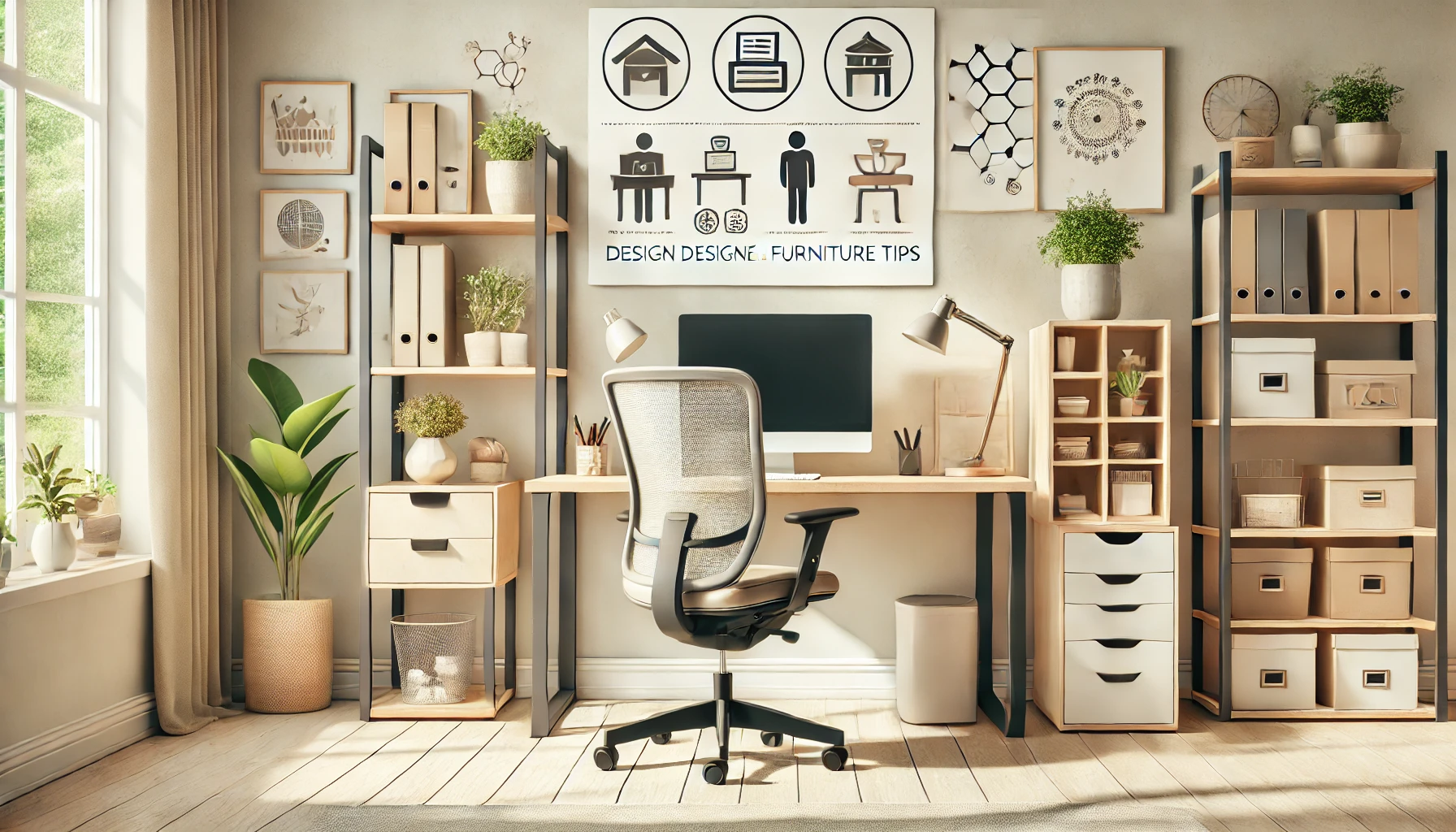
Perfect Home Office: In recent years, the concept of home office setups has gained immense popularity. With the rise of remote work, creating an efficient and comfortable workspace at home is more important than ever. Whether you are looking for home office ideas, furniture, or organization tips, this comprehensive guide will help you design the perfect home office. By the end of this article, you will have all the information you need to create a productive and inspiring home office setup that suits your needs.
Home Office Design and Ideas
Creative Home Office Ideas to Inspire Your Workspace
When it comes to home office ideas, creativity is key. Your workspace should be both functional and aesthetically pleasing. Here are some creative home office ideas to get you started:
- Use Natural Light: Position your desk near a window to take advantage of natural light. This not only reduces eye strain but also boosts your mood and productivity.
- Incorporate Plants: Adding greenery to your home office can improve air quality and create a calming environment. Choose low-maintenance plants like succulents or snake plants.
- Personalize Your Space: Decorate your home office with items that inspire you, such as artwork, photos, or motivational quotes. This makes your workspace feel more personal and inviting.
- Use Vertical Space: Maximize your storage by using vertical space. Install shelves or pegboards to keep your desk clutter-free and organized.
By implementing these home office ideas, you can create a workspace that is both functional and inspiring.
Tips for Setting Up an Efficient Home Office
Setting up an efficient home office setup involves careful planning and consideration of your work needs. Here are some tips to help you create an efficient home office setup:
- Choose the Right Location: Select a quiet area in your home where you can work without distractions. If possible, choose a space with a door to separate your work area from the rest of your home.
- Invest in Quality Equipment: Invest in a good-quality desk, chair, and computer. These are the essentials that will support your work and ensure your comfort.
- Organize Your Cables: Use cable organizers to keep your cables tidy and prevent them from tangling. This not only keeps your workspace neat but also reduces the risk of accidents.
- Set Up a Filing System: Organize your documents with a filing system. Use labeled folders or binders to keep your papers in order and easily accessible.
An efficient home office setup will help you stay focused and productive throughout your workday.
Solutions for Designing a Small Home Office
Designing a small home office can be challenging, but with the right strategies, you can make the most of your space. Here are some solutions for designing a small home office:
- Choose Multi-functional Furniture: Opt for furniture that serves multiple purposes. For example, a desk with built-in storage or a foldable table that can be tucked away when not in use.
- Use Light Colors: Light colors can make a small space feel larger and more open. Choose a light color palette for your walls and furniture to create an airy and spacious feel.
- Opt for Wall-mounted Desks: Wall-mounted desks are a great solution for small home offices. They save floor space and can be folded up when not in use.
- Declutter Regularly: Keep your small home office organized by decluttering regularly. Get rid of items you no longer need and keep only the essentials on your desk.
By implementing these solutions, you can create a functional and stylish small home office that meets your needs.
Incorporating Home Office Decor to Enhance Productivity and Comfort
Home office decor plays a crucial role in creating a comfortable and productive workspace. Here are some tips for incorporating home office decor:
- Choose Ergonomic Furniture: Ergonomic furniture is essential for your comfort and health. Invest in an ergonomic office chair and desk to support proper posture and reduce the risk of back pain.
- Use Task Lighting: Good lighting is essential for reducing eye strain and improving focus. Use a desk lamp with adjustable brightness to provide adequate task lighting.
- Add Personal Touches: Decorate your home office with items that reflect your personality and style. This makes your workspace feel more inviting and comfortable.
- Keep It Organized: An organized workspace is a productive workspace. Use storage solutions like shelves, drawers, and bins to keep your home office tidy and clutter-free.
Incorporating these home office decor ideas will help you create a workspace that is both comfortable and productive.
Home Office Furniture
Essential Home Office Furniture Pieces for a Productive Workspace
Choosing the right home office furniture is crucial for creating a productive workspace. Here are some essential home office furniture pieces to consider:
- Desk: A good desk is the centerpiece of your home office. Choose a desk that fits your space and provides enough surface area for your work.
- Chair: An ergonomic office chair is essential for your comfort and health. Look for a chair with adjustable height, lumbar support, and a comfortable seat cushion.
- Storage Solutions: Storage solutions like filing cabinets, shelves, and drawers help keep your workspace organized and clutter-free.
- Monitor Stand: A monitor stand can help you position your computer screen at eye level, reducing neck strain and improving your posture.
Investing in quality home office furniture will enhance your productivity and comfort.
Choosing the Right Ergonomic Office Chair for Comfort and Health
An ergonomic office chair is a must-have for any home office setup. Here are some tips for choosing the right ergonomic office chair:
- Adjustability: Look for a chair with adjustable height, armrests, and lumbar support. This allows you to customize the chair to your body and working preferences.
- Comfort: Choose a chair with a comfortable seat cushion and breathable fabric. This ensures you stay comfortable during long working hours.
- Support: A good ergonomic chair provides proper support for your back, neck, and shoulders. Look for a chair with built-in lumbar support and a high backrest.
- Mobility: Choose a chair with wheels and a swivel base for easy movement and access to different areas of your workspace.
Investing in an ergonomic office chair will improve your comfort and health, allowing you to work more efficiently.
Benefits of Using a Standing Desk in Your Home Office
Standing desks have become increasingly popular in home office setups. Here are some benefits of using a standing desk:
- Improves Posture: Standing desks encourage better posture by allowing you to alternate between sitting and standing throughout the day.
- Reduces Health Risks: Prolonged sitting is associated with various health risks, including back pain and obesity. A standing desk helps reduce these risks by promoting movement.
- Increases Energy Levels: Standing while working can boost your energy levels and reduce feelings of fatigue.
- Enhances Productivity: Many people find that standing desks help them stay more focused and productive.
Consider incorporating a standing desk into your home office setup to enjoy these benefits.
Selecting the Best Office Chair for Home Use
Choosing the best office chair for home use is essential for your comfort and productivity. Here are some factors to consider:
- Ergonomics: Look for an office chair with ergonomic features like adjustable height, lumbar support, and a comfortable seat cushion.
- Material: Choose a chair made from high-quality, durable materials. Breathable fabric or mesh is a good option for keeping cool during long working hours.
- Style: Select a chair that complements your home office decor. There are many styles and designs available to suit different tastes and preferences.
- Budget: Consider your budget when choosing an office chair. While it’s important to invest in a quality chair, there are many affordable options that offer good ergonomics and comfort.
By considering these factors, you can select the best office chair for your home office setup.
Home Office Organization and Setup
Effective Office Desk Setup Tips for Maximum Productivity
An effective office desk setup is essential for maximizing productivity. Here are some tips to help you create an efficient desk setup:
- Organize Your Desk: Keep your desk organized by using trays, bins, and organizers for your office supplies. This helps you find what you need quickly and keeps your workspace tidy.
- Position Your Monitor: Position your monitor at eye level to reduce neck strain and improve your posture. Use a monitor stand if necessary.
- Use a Keyboard and Mouse: Invest in a good-quality keyboard and mouse to improve your comfort and efficiency. Ergonomic options are available to reduce strain on your wrists and hands.
- Keep Essentials Within Reach: Arrange your desk so that essential items are within easy reach. This reduces the need to stretch or move around frequently.
By following these tips, you can create an office desk setup that enhances your productivity and comfort.
Home Office Organization Hacks to Keep Your Workspace Clutter-Free
Keeping your home office organized is key to maintaining a productive workspace. Here are some home office organization hacks to help you stay clutter-free:
- Use Baskets and Bins: Use baskets and bins to store office supplies, documents, and other items. Label them to make it easy to find what you need.
- Install Shelves: Install shelves above your desk to keep books, binders, and other items off your workspace. This frees up valuable desk space and keeps things organized.
- Create a Filing System: Set up a filing system for your documents. Use folders or binders to keep papers organized and easily accessible.
- Declutter Regularly: Make it a habit to declutter your home office regularly. Get rid of items you no longer need and keep only the essentials on your desk.
Implementing these home office organization hacks will help you maintain a tidy and productive workspace.
Tools and Accessories to Enhance Your Home Office Organization
Using the right tools and accessories can greatly enhance your home office organization. Here are some must-have tools and accessories:
- Desk Organizers: Desk organizers help keep your office supplies neat and easily accessible. Look for organizers with compartments for pens, paper clips, and other small items.
- Cable Management: Use cable management solutions like cable clips, ties, and sleeves to keep your cables organized and prevent them from tangling.
- Drawer Dividers: Drawer dividers help you organize your desk drawers and keep items separated. This makes it easier to find what you need and keeps your drawers tidy.
- Whiteboard or Corkboard: A whiteboard or corkboard is a great addition to your home office for keeping track of important tasks and notes. Use it to jot down reminders, to-do lists, and deadlines.
By incorporating these tools and accessories, you can enhance your home office organization and create a more efficient workspace.
Conclusion
Creating the perfect home office setup involves careful planning and consideration of your work needs. By exploring home office ideas, investing in quality furniture, and implementing effective organization strategies, you can design a workspace that enhances your productivity and comfort. Remember, the key to a successful home office setup is finding the right balance between functionality and aesthetics.
Incorporating essential home office furniture like desks, chairs, and storage solutions will help you create a productive workspace. Ergonomic office chairs and standing desks provide comfort and support, while effective office desk setups and organization hacks keep your workspace clutter-free.
For more tips on creating the perfect home office setup, check out Regent Studies and explore additional resources on home office setups. By following these guidelines, you can create a home office that meets your needs and helps you achieve your work goals.
For more information on home office setups and to discover additional tips and ideas, visit this external resource.

You may also like

How to Build OpenUSD Applications for Industrial Digital Twins
Building a 3D Product Configurator with USD and Omniverse