
Emerging Trends in Space: A Look into the Future
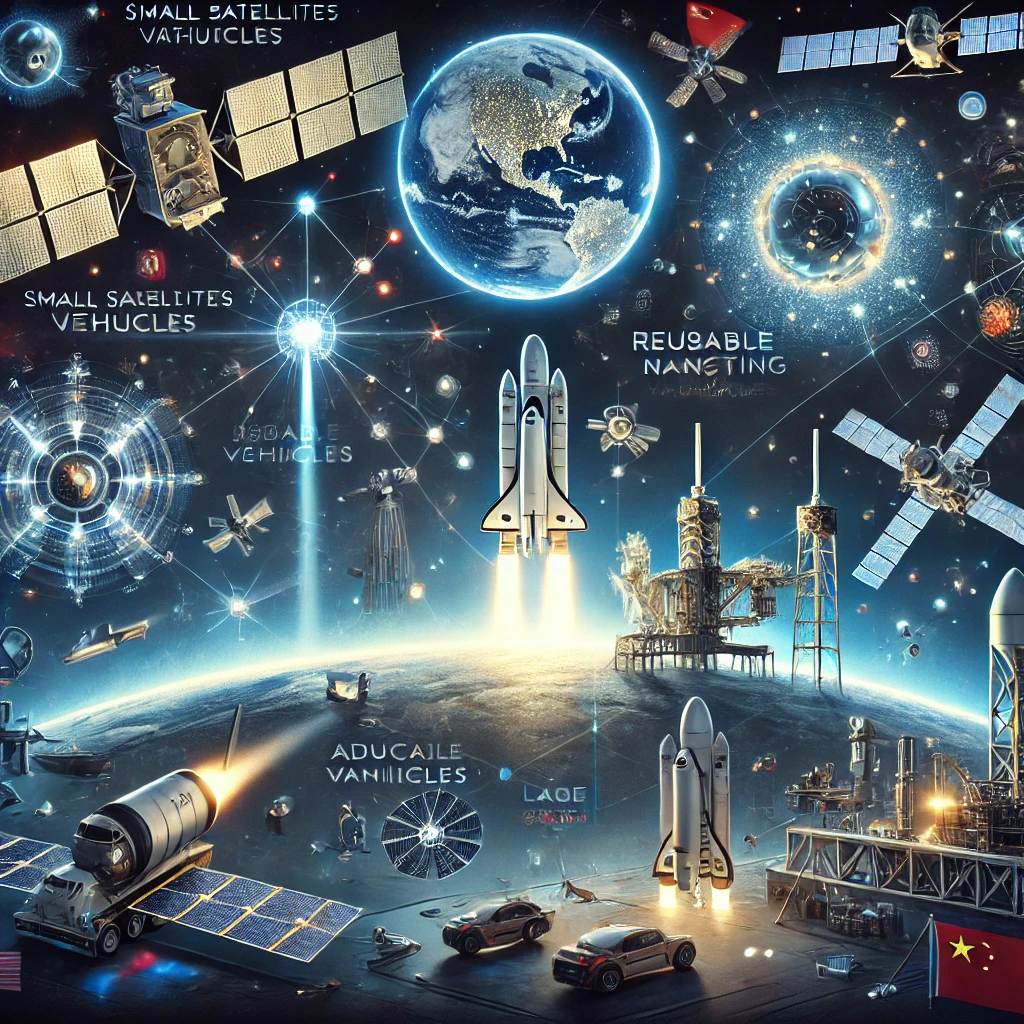
The exploration and commercialization of space are accelerating at an unprecedented pace, fueled by advancements in technology and the relentless pursuit of discovery. In 2024, we are witnessing a surge in innovative projects and strategic initiatives that are shaping the future of space exploration and utilization. This blog delves into the top ten emerging trends in space, highlighting how these developments are transforming our understanding and capabilities in the cosmos.
1. Small Satellites Revolutionizing Space Exploration
Small satellites, including CubeSats and NanoSats, have emerged as pivotal players in space technology. Their miniaturized designs allow for cost-effective launches and versatile applications. These small satellites are utilized for various purposes, such as Earth monitoring, scientific observation, and establishing proprietary communication networks. The market for small satellites is expected to grow significantly, driven by advancements in industrial technology and modular designs that enhance functionality and durability.
The Rise of CubeSats and NanoSats
- Cost-Effective Solutions: Small satellites reduce launch costs, making space exploration more accessible.
- Versatile Applications: Used for Earth monitoring, scientific observation, and communication networks.
- Market Growth: The small satellite market is projected to grow from USD 166.40 billion in 2024 to USD 260.56 billion by 2029.
For more information on small satellite innovations, check out StartUs Insights.
2. Reusable Launch Vehicles: Lowering Space Access Costs
Reusable launch vehicles are revolutionizing the space industry by significantly reducing the cost of launching payloads into orbit. SpaceX has been at the forefront with its Falcon 9 and Starship programs, demonstrating the viability and cost-effectiveness of reusability. Other companies, such as Blue Origin and Rocket Lab, are also making significant strides in developing their reusable launch systems.
Advantages of Reusable Rockets
- Cost Reduction: Lowering the cost of launches by reusing rocket components.
- Increased Launch Frequency: More frequent and affordable launches enable more missions.
- Environmental Impact: Reducing space debris and environmental footprint.
3. Advanced Space Manufacturing: The Future of Space Components
Advanced manufacturing techniques, including 3D printing and robotics, are transforming how we produce space components and structures. These innovations enable the creation of large space habitats, precision satellite parts, and other essential infrastructure with greater efficiency and lower costs.
Key Innovations in Space Manufacturing
- 3D Printing: Creating complex components with reduced waste and lower costs.
- Robotics: Enhancing the precision and efficiency of manufacturing processes.
- Automation: Driving the development of long-term exploration and mission capabilities.
4. Novel Space Communication Systems: Enhancing Data Transmission
Advancements in space communication systems are providing faster, more secure, and more efficient methods for transmitting and receiving data. Laser communication relay systems and quantum key distribution (QKD) are at the forefront of these developments, offering significant improvements over traditional radio frequency systems.
Enhancing Space Communication
- Laser Communication: Faster data rates and more secure communication channels.
- Quantum Key Distribution: Ultra-secure communication using quantum mechanics principles.
- CubeSats Networks: Creating broader coverage and efficient data transmission networks.
5. Space Traffic Management and Debris Removal: Ensuring Sustainability
As the number of satellites and space missions increases, managing space traffic and removing space debris are becoming critical challenges. Startups and established companies are developing solutions to track and mitigate space debris, ensuring safer and more sustainable space operations.
Addressing Space Traffic and Debris
- Tracking Technologies: Monitoring space traffic to prevent collisions.
- Debris Removal Solutions: Developing methods to clean up space debris.
- Sustainability Initiatives: Ensuring long-term sustainability of space activities.
6. Next-Generation Launch Vehicles: Enhancing Payload Capacities
Next-generation launch vehicles are being developed to enhance payload capacities and mission success rates. The United Launch Alliance’s Vulcan Centaur, Mitsubishi Heavy Industries’ H3, and other advanced launch systems are set to play crucial roles in future space missions.
Next-Gen Launch Innovations
- Higher Payload Capacities: Enabling more complex and ambitious missions.
- Innovative Designs: Incorporating new technologies for improved performance.
- Competitive Landscape: Multiple companies racing to develop the best solutions.
7. NASA’s Collaboration with the Private Sector: Public-Private Partnerships
NASA is increasingly collaborating with private companies to achieve its ambitious goals, such as the Artemis program. This program aims to return humans to the Moon and eventually Mars, leveraging the innovative capabilities of companies like SpaceX, Blue Origin, and others.
Strengthening Public-Private Partnerships
- Collaborative Missions: Joint efforts to achieve space exploration milestones.
- Shared Expertise: Leveraging private sector innovation and resources.
- Artemis Program: Aiming for sustainable human presence on the Moon and beyond.
8. Space Tourism and Commercialization: Opening New Frontiers
The space tourism sector is gaining momentum with companies like SpaceX, Blue Origin, and Virgin Galactic leading the way. Commercial space stations and lunar missions are also on the horizon, aimed at making space accessible to private individuals and companies.
Expanding Space Tourism
- Space Tourism: Offering experiences for private individuals.
- Commercial Space Stations: Developing infrastructure for private and commercial use.
- Lunar Missions: Planning for commercial and scientific missions to the Moon.
9. Artificial Intelligence and Big Data: Transforming Space Exploration
Artificial intelligence (AI) and big data analytics are playing an increasingly important role in space exploration. These technologies help process vast amounts of data generated by space missions and improve decision-making processes for both manned and unmanned missions.
AI and Big Data in Space
- Data Processing: Managing and analyzing large datasets from space missions.
- Decision-Making: Enhancing mission planning and execution with AI.
- Predictive Analytics: Using big data to predict and address potential issues.
10. Global Space Race: US and China Lead the Way
The competitive dynamic between the US and China is intensifying, with both nations making significant investments in space technology. China’s ambitious space programs, including lunar missions and the development of its space station, are pushing the US to accelerate its space exploration and defense initiatives.
Key Players in the Space Race
- US Initiatives: NASA and private companies leading the charge.
- China’s Ambitions: Significant investments in lunar and space station programs.
- Global Implications: Impact on international space policies and collaborations.
Embracing the Future of Space Exploration
The emerging trends in space for 2024 highlight a rapidly evolving landscape driven by technological advancements and strategic collaborations. From small satellites and reusable launch vehicles to advanced manufacturing and AI, these trends are shaping the future of space exploration and commercialization. As the US and China continue to lead the space race, the global community must work together to ensure sustainable and peaceful exploration of the cosmos.
For more insights and resources on space exploration, visit Regent Studies and stay updated with the latest developments in the field.