
The History and Meaning of Kintsugi: How This 15th Century Practice Transformed Broken Pottery into Art
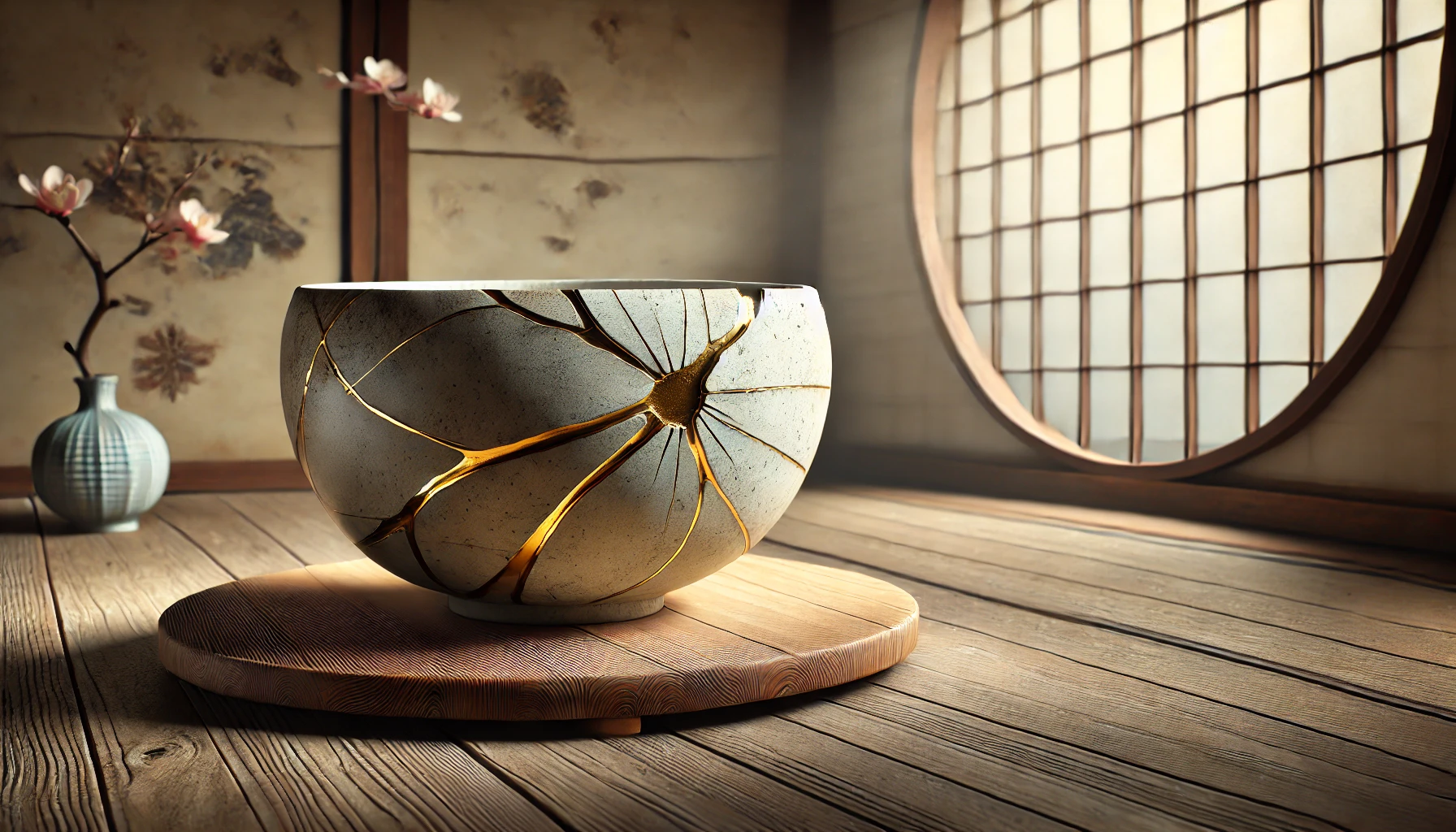
Kintsugi, an ancient Japanese practice, turns the simple act of repairing broken pottery into a profound art form. Dating back to the 15th century, Kintsugi uses gold to mend cracks in pottery, giving the item new life and adding beauty to what was once broken. Beyond its technical aspects, Kintsugi embodies a powerful philosophy, encouraging the embrace of flaws and imperfections. But how did this practice begin? And what is the deeper significance behind it?
In this blog, we’ll explore the history of Kintsugi, delve into its meaning, and explain how this Japanese art form continues to inspire people around the world today.
The Origins of Kintsugi: A 15th Century Japanese Practice
Kintsugi, which literally translates to “golden joinery,” originated in Japan during the 15th century. The practice is believed to have started when the Shogun Ashikaga Yoshimasa broke a treasured tea bowl and sent it to China for repair. When the bowl was returned, it had been mended with unsightly metal staples. Unsatisfied with the results, Yoshimasa asked his craftsmen to find a more aesthetically pleasing method of repair. Thus, Kintsugi was born—a technique that not only fixed the broken pottery but made the cracks themselves a highlight of the piece.
This art of repairing pottery with gold quickly became popular among Japanese nobility and tea masters. In fact, some collectors were said to deliberately break their prized ceramics just to have them repaired using Kintsugi. Over time, the practice became a beloved part of Japanese culture, symbolizing the beauty in embracing imperfections rather than hiding them.
Kintsugi’s Philosophy: Finding Beauty in Imperfection
The philosophy of Kintsugi is deeply intertwined with the Japanese concept of wabi-sabi, which centers around the acceptance of transience and imperfection. Kintsugi embraces the idea that broken things don’t need to be discarded. Instead, the act of repairing an object with gold celebrates its history, flaws, and the journey it has been through.
In a world that often values perfection and flawlessness, Kintsugi offers a refreshing perspective: that brokenness can be beautiful, and scars can be a source of strength. The meaning of Kintsugi goes beyond pottery—it has been applied as a metaphor for life. Just as a repaired bowl becomes more valuable, people, too, can find value in their experiences of overcoming adversity.
Kintsugi reminds us that life’s struggles and challenges can create something more beautiful in the end. This 15th century practice continues to resonate with people today, offering a powerful message of resilience and transformation.
The Kintsugi Technique: Repairing Pottery with Gold
The Kintsugi technique is both an art and a delicate craft. It involves several steps to ensure the pottery is not only functional again but also visually enhanced by the repairs.
- Gathering the Fragments: The first step is collecting all the broken pieces of the pottery. The goal is to maintain the original form while carefully repairing the cracks.
- Applying the Adhesive: Traditionally, Kintsugi uses urushi (a type of lacquer) to join the broken pieces. The lacquer is carefully applied to the edges of the shards, holding them together as it dries.
- Adding Gold Powder: Once the lacquer sets, gold dust is applied to the seams, making the cracks visible and adding a shimmering effect to the repair. Sometimes silver or platinum is used, but gold remains the most popular choice, symbolizing preciousness and worth.
- Finishing Touches: After the gold is applied, the piece is polished to smooth out the surfaces, revealing the final, beautiful Kintsugi pottery repair.
Kintsugi is not just about gold repair; it is about the entire process of transformation. Each piece of pottery repaired through Kintsugi becomes a unique work of art, with its own story told through its golden seams.
The History of Kintsugi: A Journey Through Time
The history of Kintsugi spans hundreds of years, from its origin in the 15th century to its continued relevance today. During Japan’s Edo period (1603-1868), Kintsugi became a significant element of the Japanese art tradition, particularly in the context of the Japanese tea ceremony. Tea masters and artisans alike valued the practice for its ability to transform a once-broken object into something even more beautiful.
Kintsugi remained a relatively niche practice until the modern era when the philosophy behind it began to spread globally. Today, people from all walks of life are drawn to the concept of Kintsugi—not only for its artistry but also for its profound symbolism of resilience and beauty.
Kintsugi Restoration: Bringing Life Back to Broken Objects
Kintsugi restoration is not just limited to traditional Japanese ceramics. Contemporary artists and craftsmen have adopted the practice to restore a variety of objects, from fine china to modern pottery. With the rising popularity of DIY projects and upcycling, more and more people are embracing Japanese pottery repair art as a way to give new life to objects that would otherwise be discarded.
Additionally, Kintsugi restoration workshops are becoming increasingly popular, offering participants a hands-on experience in learning the Kintsugi technique and creating their own repaired pottery pieces.
The Modern Appeal of Kintsugi
Today, Kintsugi’s popularity has spread beyond Japan. From art galleries to social media, the Kintsugi philosophy is embraced by people all over the world who find comfort in its message of resilience. The idea that something can be broken yet still beautiful is a metaphor that resonates deeply, especially in modern times where many grapple with personal and societal challenges.
The technique has also inspired various forms of modern art and design. Some fashion designers and interior decorators have adopted the principles of Kintsugi, incorporating golden seams and “repaired” designs into clothing and home decor.
The Timeless Appeal of Kintsugi
The history of Kintsugi, its philosophy, and its technique offer a timeless lesson about embracing life’s imperfections. This 15th century Japanese practice has evolved beyond its original purpose of repairing pottery, becoming a powerful metaphor for human experiences of growth, healing, and renewal.
Through the art of Kintsugi, we are reminded that the beauty of brokenness lies in the ability to transform it into something stronger, more valuable, and more meaningful. Whether in art, daily life, or our personal journeys, Kintsugi teaches us to cherish imperfections, as they make us who we are.
For more in-depth insights into cultural and artistic traditions, visit Regent Studies for educational resources and detailed studies on the arts and philosophy.
External Resource: To explore more about Kintsugi, visit the Japan House London website for additional information on Kintsugi workshops and exhibits.

You may also like

How to Read Body Language: Mastering the Art of Non-Verbal Communication

Earbuds vs Headphones: Which Is Better for You?