
Top Plastic-Degrading Fungi: Nature’s Allies in Combating Plastic Pollution
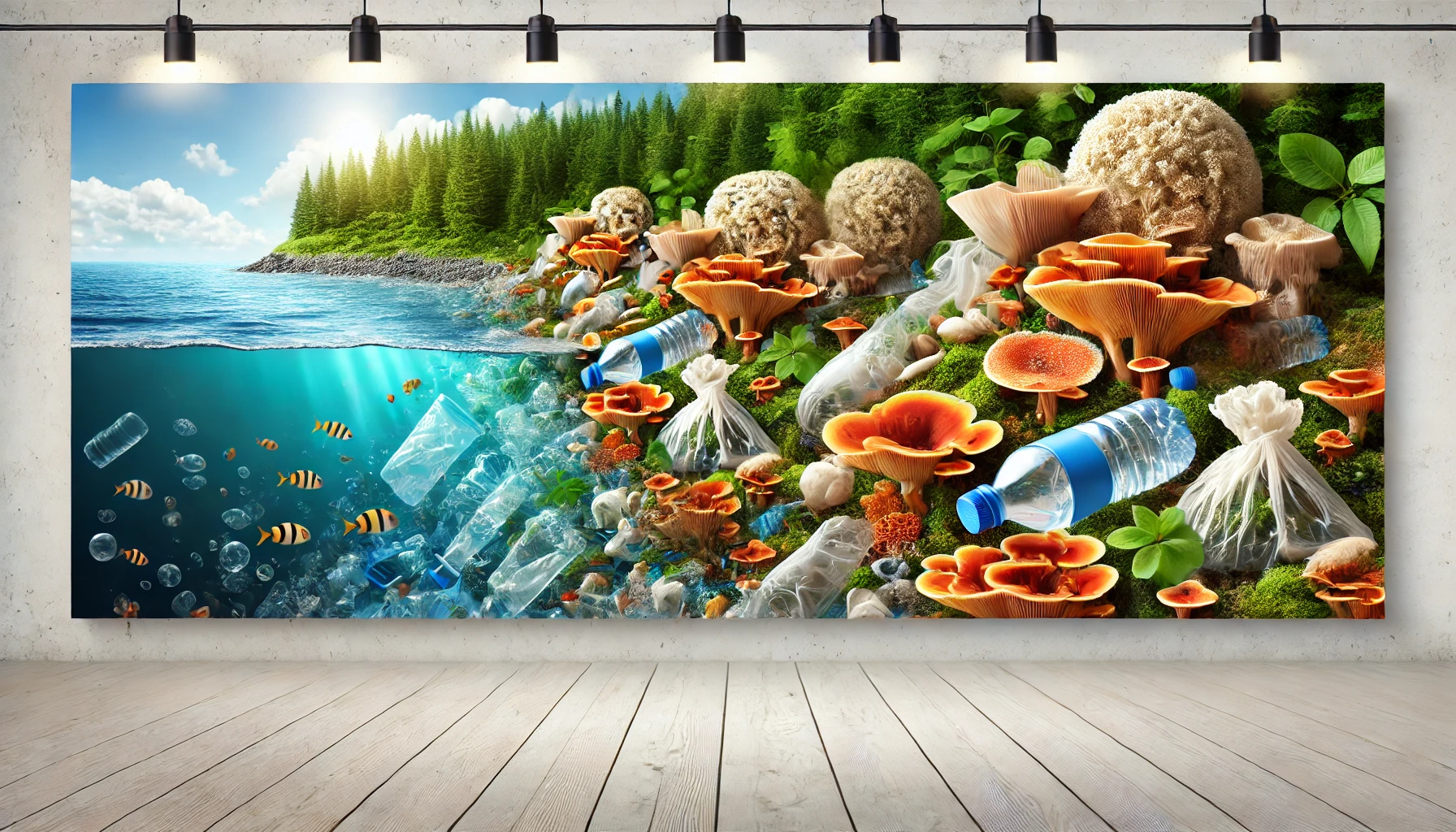
Plastic pollution is one of the most pressing environmental issues of our time, with billions of tons of plastic waste choking our ecosystems, oceans, and landfills. But nature has its way of fighting back. One of the most promising solutions comes from an unexpected source: fungi. Yes, plastic-degrading fungi have emerged as potential heroes in the fight against plastic pollution, offering hope for a cleaner and more sustainable future.
In this blog, we’ll explore how fungi that eat plastic work, the science behind fungal degradation of plastics, and the growing interest in mycoremediation as an eco-friendly plastic solution. Let’s dive into the fascinating world of fungi and their role in tackling plastic waste!
How Plastic-Degrading Fungi Break Down Plastic
The idea that fungi can eat plastic might sound like science fiction, but it’s a fact grounded in biology. Fungi possess enzymes that allow them to break down a variety of materials, including wood, leaves, and now, plastics.
What Are Plastic-Degrading Fungi?
Plastic-degrading fungi are a group of fungal species capable of breaking down synthetic polymers found in plastics. They achieve this through the secretion of specialized enzymes. These enzymes degrade plastics into smaller, more manageable molecules, which fungi then use as a source of nutrients.
One of the most well-known fungi in this category is Aspergillus tubingensis, which has been shown to degrade plastic in a matter of weeks, compared to the centuries plastic typically takes to decompose naturally. Another species, Pestalotiopsis microspora, discovered in the Amazon rainforest, is known to break down polyurethane, a common component in plastics.
The Role of Enzymes in Plastic Degradation
The key to fungal degradation of plastics lies in the enzymes that fungi produce. These enzyme-producing fungi release substances like laccases and peroxidases, which break the chemical bonds in plastics, transforming them into biodegradable compounds. Unlike traditional methods of plastic waste removal, which can be time-consuming and often ineffective, plastic-eating fungi offer a natural and sustainable plastic removal solution.
Fungi That Eat Plastic: The Potential for Reducing Plastic Waste
Plastic pollution is a global crisis, with over 8 million tons of plastic waste entering the ocean each year. Traditional waste management methods, such as recycling and incineration, are often insufficient to deal with the sheer volume of plastic being produced. This is where plastic waste fungi come into play.
Can Fungi Really Solve the Plastic Problem?
While fungi that eat plastic are still in the early stages of research and development, they hold great promise as part of a broader strategy to combat plastic pollution. The concept of using fungi for environmental cleanup is known as mycoremediation, a process that harnesses the natural abilities of fungi to degrade contaminants, including plastics.
What is Mycoremediation?
Mycoremediation is a subfield of bioremediation that specifically involves fungi in the degradation of environmental pollutants. Fungi have been successfully used to clean up oil spills, pesticides, and now, plastic waste. The enzymes produced by plastic-degrading fungi make them ideal candidates for tackling the plastic waste problem, as they can efficiently degrade plastics like polyethylene and polyurethane.
Research is ongoing to identify the most effective fungal species for plastic degradation and to optimize their use in various environmental settings. However, early results are promising, with some fungi demonstrating the ability to break down plastics within months rather than the hundreds of years it typically takes for plastic to degrade naturally.
Biodegradable Plastic Fungi: A Step Toward Eco-Friendly Solutions
In recent years, there has been a surge of interest in biodegradable plastic fungi as an alternative to traditional plastic waste management strategies. These fungi could be used in conjunction with eco-friendly plastic solutions, offering a holistic approach to reducing plastic pollution.
How Fungi Contribute to Biodegradable Plastics
While fungal degradation of plastics typically refers to the breakdown of existing plastics, some researchers are exploring how fungi can be incorporated into the production of biodegradable plastics. These plastics, made from renewable materials, can be broken down more easily by fungi and other microorganisms, further reducing plastic waste.
For example, researchers are developing plastic-like materials from mushroom mycelium, the root-like structure of fungi. These materials are not only biodegradable but also durable, offering a sustainable alternative to conventional plastics. As the demand for eco-friendly plastic solutions grows, biodegradable plastic fungi could play a crucial role in the production and disposal of sustainable materials.
The Benefits of Fungal-Based Solutions
- Natural degradation: Fungi offer a natural, non-toxic solution to plastic degradation.
- Sustainable: Unlike chemical processes, fungi do not require harmful substances to break down plastics.
- Efficient: In laboratory settings, fungi have shown the ability to degrade plastics in a matter of months.
Mycoremediation: A Sustainable Plastic Removal Strategy
As the world searches for ways to reduce plastic pollution, mycoremediation has gained attention as an innovative and sustainable plastic removal technique. This process not only helps degrade plastic but also contributes to restoring ecosystems affected by pollution.
Applications of Mycoremediation in Plastic Waste Management
Mycoremediation has the potential to be used in a variety of settings, from landfills to contaminated soil and even oceans. By introducing plastic-eating fungi into these environments, researchers hope to create localized, natural degradation processes that significantly reduce plastic waste.
Some potential applications include:
- Landfills: Fungi can be introduced into landfills to speed up the degradation of plastic waste.
- Marine ecosystems: Fungal species capable of thriving in aquatic environments can help reduce oceanic plastic pollution.
- Industrial settings: Fungi may be used to clean up plastic waste from manufacturing facilities, reducing the environmental impact of industrial plastic production.
The Future of Fungi in Plastic Waste Solutions
While mycoremediation is still in its early stages, it holds immense potential as part of a comprehensive approach to plastic waste management. By combining mycoremediation with other sustainable technologies, such as recycling and biodegradable plastics, we can take significant strides toward a future with less plastic pollution.
Plastic-Eating Fungi and the Path to a Greener Future
Plastic pollution won’t be solved overnight, but plastic-eating fungi offer a ray of hope in our efforts to clean up the planet. By leveraging the natural abilities of fungi, we can create sustainable plastic removal solutions that work in harmony with the environment.
As research progresses, the potential for fungal degradation of plastics will likely expand, bringing us closer to a world where plastic waste is no longer an insurmountable problem. Through continued innovation and collaboration between scientists, environmentalists, and policymakers, we can harness the power of fungi to tackle one of the most significant environmental challenges of our time.
If you’re interested in learning more about sustainable solutions, visit Regent Studies for a wide range of educational resources on environmental science and sustainable technologies.
For further reading on the environmental impact of plastic pollution, check out the World Wildlife Fund’s report on plastic waste.
Nature’s Solution to Plastic Waste
In conclusion, plastic-degrading fungi offer an innovative and natural solution to one of the most critical environmental issues of our time. From enzyme-producing fungi that break down plastic polymers to mycoremediation efforts aimed at reducing plastic waste on a large scale, these fungi could play a pivotal role in cleaning up our planet. As more research unfolds, the possibilities for eco-friendly plastic solutions continue to grow, providing hope for a greener, more sustainable future.