The History of Halloween and Its Traditions
Halloween, a night filled with costumes, candy, and spooky tales, has become one of the most beloved holidays worldwide. But have you ever wondered about the history of Halloween and how its various traditions came to be? This blog will take you on a journey through time, exploring the origins of Halloween, the cultural significance it holds, and how customs like trick-or-treating have evolved into the festive practices we know today.
The History of Halloween: From Ancient Rituals to Modern Celebrations
The history of Halloween dates back over 2,000 years to the ancient Celtic festival of Samhain (pronounced “sow-in”), a celebration marking the end of the harvest season and the beginning of winter. The Celts, who lived in what is now Ireland, the United Kingdom, and northern France, believed that on the night of October 31st, the boundary between the living and the dead blurred, allowing ghosts to return to earth. To ward off these spirits, people would light bonfires and wear costumes, a practice that laid the foundation for modern Halloween celebrations.
As Christianity spread across Europe, the festival of Samhain was gradually assimilated into Christian traditions. By the 9th century, Pope Gregory III designated November 1st as All Saints’ Day, a day to honor all saints and martyrs. The evening before, known as All Hallows’ Eve, eventually became Halloween. This blending of pagan and Christian practices is what gives Halloween its unique mix of spooky and sacred elements.
Origins of Halloween Traditions: How Ancient Customs Shaped Modern Practices
Many of the origins of Halloween traditions can be traced back to these early Celtic and Christian practices. For instance, the custom of dressing in costumes dates back to the Celts, who believed that wearing disguises would confuse wandering spirits. This tradition evolved over time, and by the Middle Ages, people began dressing as saints, angels, and demons during Halloween celebrations.
The practice of carving pumpkins, known as jack-o’-lanterns, also has ancient roots. Originally, the Celts carved faces into turnips to ward off evil spirits. When Irish immigrants brought the tradition to America, they found that pumpkins, native to the New World, were much easier to carve, and thus the modern jack-o’-lantern was born.
Another well-known tradition, trick-or-treating, is believed to have originated from the medieval practice of “souling,” where the poor would go door to door offering prayers for the dead in exchange for food. This practice evolved into children dressing up and asking for treats, a tradition that became widespread in the United States during the early 20th century.
Cultural Significance of Halloween: A Global Perspective
The cultural significance of Halloween varies widely across different cultures. In the United States and Canada, Halloween is primarily seen as a fun, secular holiday, characterized by costumes, parties, and candy. However, in other parts of the world, Halloween retains a deeper spiritual meaning.
In Mexico, for example, Halloween coincides with the Day of the Dead (Día de los Muertos), a holiday where families honor their deceased loved ones with altars, offerings, and visits to gravesites. Although similar in timing, the Day of the Dead is a joyous celebration of life and death, rather than a night of fright.
In Ireland and Scotland, where Halloween has its roots, many of the ancient traditions are still practiced. Bonfires are lit, and people partake in games like bobbing for apples, which is believed to have origins in the Roman festival of Pomona, the goddess of fruit and trees. These traditions highlight the cultural significance of Halloween as a night that blends the ancient with the modern, the sacred with the secular.
Meaning and Symbolism of Halloween: What Do These Traditions Represent?
The meaning and symbolism of Halloween are rich with layers of history and folklore. At its core, Halloween represents the transition between seasons and the thinning of the veil between the worlds of the living and the dead. This is why so many Halloween symbols, like ghosts, skeletons, and witches, are associated with death and the supernatural.
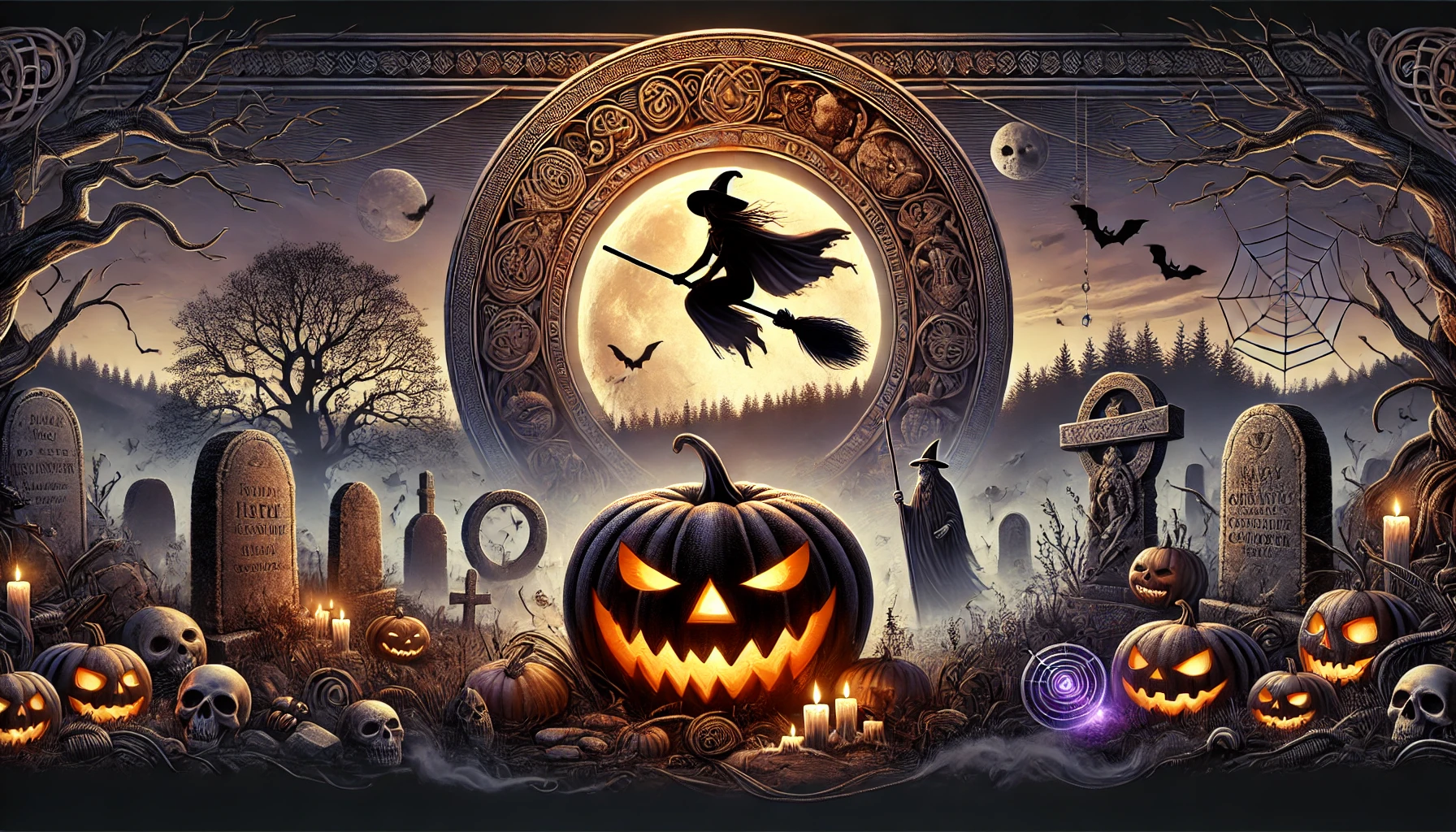
Witches, in particular, have become one of the most iconic symbols of Halloween. Historically, witches were believed to be women with magical powers who could communicate with the dead. The image of the witch flying on a broomstick under the moon is a potent symbol of the connection between Halloween and the supernatural.
Bats, black cats, and spiders are also common Halloween symbols, all of which are associated with death and the underworld in various cultures. For example, in medieval Europe, it was believed that witches could transform into black cats, and bats were thought to be omens of death.
The Evolution of Halloween Costumes: From Disguises to Pop Culture Icons
The evolution of Halloween costumes has been dramatic, shifting from simple disguises meant to ward off spirits to elaborate outfits inspired by pop culture. In the early 20th century, Halloween costumes were often homemade and depicted spooky characters like ghosts, witches, and skeletons.
As Halloween grew in popularity, particularly in the United States, the costume industry began to flourish. By the 1930s, mass-produced costumes became available, allowing people to dress up as their favorite characters from movies, television, and comic books. Today, Halloween costumes range from the terrifying to the humorous, with options for every age and taste.
This evolution reflects the broader cultural shifts in how Halloween is celebrated. What was once a night of communal rituals aimed at honoring the dead and protecting the living has become a festive, often commercial, celebration where people can express their creativity and embrace their favorite aspects of popular culture.
The Legends and Folklore of Halloween: Myths That Haunt the Night
Halloween is steeped in myths and legends that have been passed down through generations. One of the most famous is the legend of Stingy Jack, an Irish folktale that explains the origins of the jack-o’-lantern. According to the story, Jack was a miserly man who tricked the devil and was condemned to roam the earth with only a carved turnip to light his way.
Another popular Halloween myth involves the headless horseman, a figure that has appeared in various cultures’ folklore. In the United States, Washington Irving’s story “The Legend of Sleepy Hollow” has cemented the headless horseman as a quintessential Halloween character.
These Halloween myths and legends contribute to the eerie atmosphere of the holiday, adding a sense of mystery and excitement to the night’s festivities.
The Lasting Impact of Halloween’s History
The history of Halloween is a rich tapestry of ancient customs, cultural significance, and evolving traditions. From its origins in the Celtic festival of Samhain to its modern-day celebration as a night of costumes and candy, Halloween continues to captivate people around the world. Understanding the origins of Halloween traditions and the myths and legends that have shaped the holiday can deepen our appreciation for this unique celebration.
As you carve your next jack-o’-lantern or don your Halloween costume, remember that you’re participating in a tradition that has been evolving for thousands of years. The blend of history, culture, and symbolism that defines Halloween ensures that it will remain a beloved holiday for generations to come.
For more insights into historical and cultural topics, visit Regent Studies, where you can explore a wide range of educational resources and articles.

You may also like
How to Read Body Language: Mastering the Art of Non-Verbal Communication

Earbuds vs Headphones: Which Is Better for You?