
Remote and Telemedicine Surgery Are Revolutionizing Patient Care
- Posted by Andrew (USA)
- Categories Health
- Date August 22, 2024
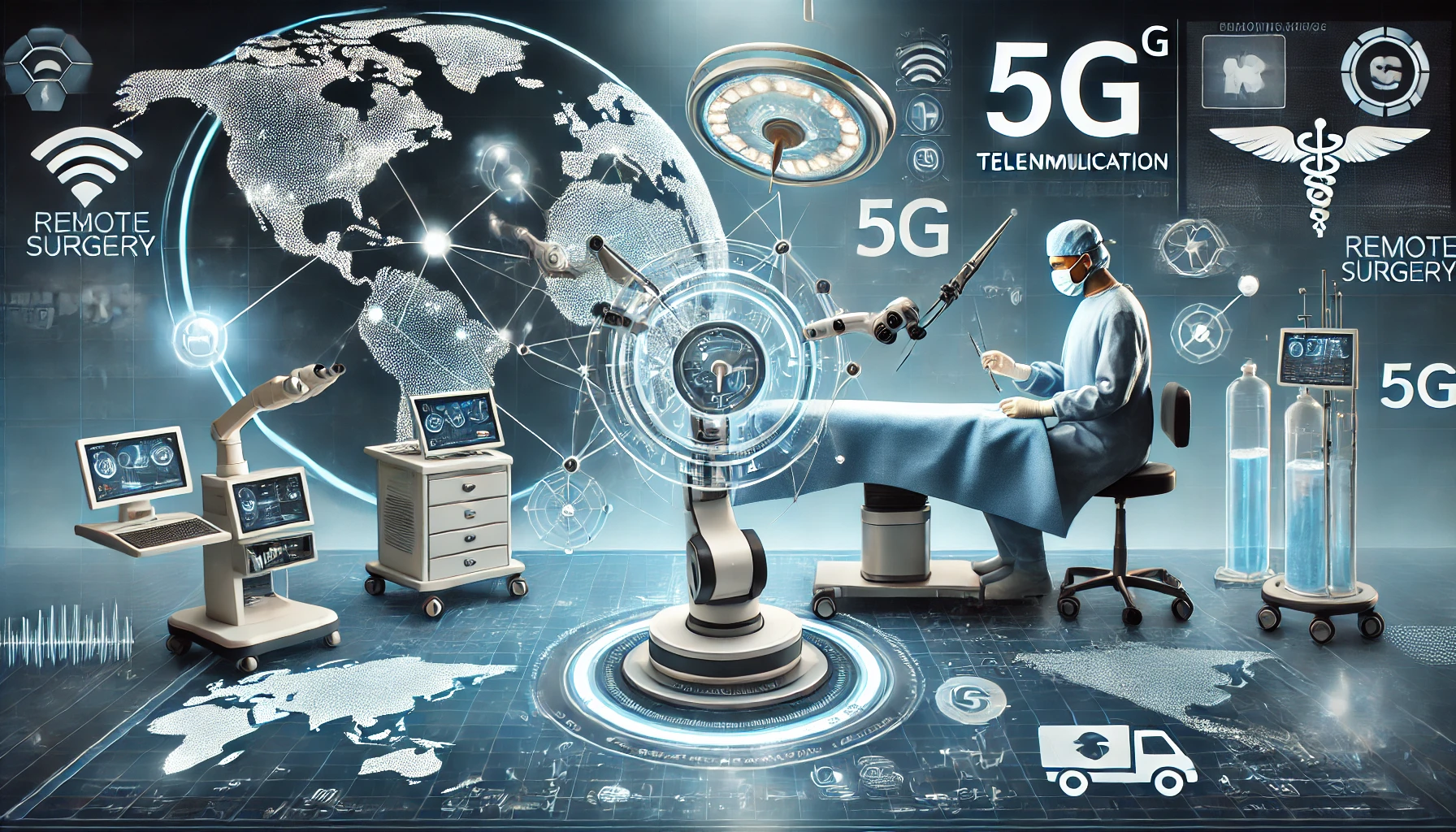
The Evolution of Remote Surgery: A New Era in Healthcare
Remote surgery, also known as teleoperation surgery, represents a revolutionary shift in how surgical procedures are conducted. This innovative approach allows surgeons to perform operations on patients who are physically located in different geographical regions, using advanced robotic systems controlled via telecommunication networks. This method was initially developed to provide medical care to patients in remote or inaccessible areas but has since evolved into a powerful tool for modern medicine.
How Remote Surgery Works
- Robotic Surgery Systems: At the heart of remote surgery are sophisticated robotic systems that act as the surgeon’s hands. These robots are equipped with surgical instruments and high-definition cameras, providing the surgeon with a detailed view of the operating field and precise control over the instruments.
- Telecommunication Networks: The success of remote surgery is heavily dependent on robust telecommunication networks, particularly 5G technology. These networks enable real-time data transmission between the surgeon and the robotic system, ensuring that the surgeon’s actions are mirrored accurately by the robot.
- Human-Machine Interface: Surgeons use a specialized console, known as a human-machine interface, to control the robotic system. This interface provides a 3D visualization of the surgical site and allows the surgeon to manipulate the robotic instruments with the same precision as if they were physically present.
The integration of these technologies has made remote surgery not only feasible but also highly effective. As telecommunication networks continue to improve, the scope and potential of remote surgery will expand, bringing high-quality medical care to more people worldwide.
Telemedicine Surgery: Expanding Access to Surgical Care
Telemedicine surgery is a broader concept that includes remote surgery but also encompasses other forms of surgical care delivered through telecommunication technology. This approach has the potential to revolutionize healthcare access, particularly in regions where specialized medical care is scarce or unavailable.
Benefits of Telemedicine Surgery
- Accessibility: Telemedicine surgery bridges the gap between patients and specialized care providers. Patients in rural or underserved areas can now access expert surgical care without the need to travel long distances.
- Cost-Effectiveness: By eliminating the need for travel, telemedicine surgery can significantly reduce the costs associated with surgical procedures. This makes advanced medical care more affordable and accessible to a broader population.
- Enhanced Continuity of Care: Telemedicine surgery allows for seamless post-operative care. Surgeons can monitor patients’ recovery remotely, providing timely interventions if necessary and ensuring that patients receive continuous care.
Telemedicine surgery is not just a technological innovation; it represents a fundamental shift in how healthcare is delivered. By leveraging advanced telecommunication and robotic technologies, telemedicine surgery is making it possible to provide high-quality care to patients regardless of their physical location.
The Role of Robotic Surgery in Telemedicine
Robotic surgery is a critical component of telemedicine surgery, providing the precision and control necessary for successful remote operations. Robotic systems are designed to enhance the capabilities of surgeons, allowing them to perform complex procedures with greater accuracy and efficiency.
Advancements in Robotic Surgery
- Precision and Accuracy: Robotic surgery systems offer unparalleled precision, reducing the risk of human error and improving surgical outcomes. This is particularly important in delicate procedures, such as tumor removal or cardiac surgery.
- Minimally Invasive Techniques: Robotic systems enable surgeons to perform minimally invasive procedures, which result in smaller incisions, less pain, and faster recovery times for patients. These benefits are especially valuable in remote surgery, where patient recovery may be monitored from a distance.
- Scalability and Versatility: Robotic surgery systems can be adapted to a wide range of surgical procedures, from routine operations to highly specialized surgeries. This versatility makes robotic surgery an indispensable tool in modern medicine.
The integration of robotic surgery with telemedicine has the potential to revolutionize healthcare delivery, making it possible to perform complex procedures remotely with the same level of care and precision as if the surgeon were physically present.
Chinese Doctor Removes Tumor 5,000 km Away: A Case Study in Remote Surgery
One of the most compelling examples of the power of remote surgery is the recent case where a Chinese doctor successfully removed a tumor from a patient located 5,000 km away. This groundbreaking procedure showcases the immense potential of telemedicine and robotic surgery in overcoming geographical barriers to healthcare.
Details of the Surgery
- Procedure Overview: The surgery involved the removal of a liver tumor from a patient. The Chinese doctor, located in a hospital in Beijing, performed the surgery using a robotic system controlled via a 5G network. The patient was located 5,000 km away in another city.
- Technological Infrastructure: The success of the surgery was made possible by the high-speed, low-latency 5G network, which facilitated real-time communication between the surgeon and the robotic system. This network ensured that the surgeon’s commands were executed without delay, which is crucial for the precision required in such a delicate procedure.
- Patient Outcome: The surgery was a success, with the patient recovering well post-operation. This case demonstrates not only the feasibility of remote surgery but also its potential to deliver high-quality care to patients in distant locations.
This case study is a testament to the advancements in remote surgery and telemedicine, proving that with the right technology, geographical distance is no longer a barrier to receiving life-saving medical care.
Long-Distance Surgery: Overcoming Challenges
While the potential of long-distance surgery is immense, several challenges must be addressed to make it a standard practice in healthcare. These challenges range from technological limitations to legal and ethical considerations.
Technological Challenges
- Network Reliability: The success of long-distance surgery depends heavily on the reliability of telecommunication networks. Any disruption in the network can have serious consequences for the patient.
- Latency Issues: Even with advanced networks like 5G, latency can still be a concern. A slight delay in communication between the surgeon and the robotic system can affect the outcome of the surgery.
- Equipment Compatibility: The integration of robotic systems with telecommunication networks requires seamless compatibility between different types of equipment. Any incompatibility can lead to technical issues during the surgery.
Legal and Ethical Considerations
- Licensing and Regulation: Remote surgery raises questions about licensing and regulation, particularly when the surgeon and patient are in different countries. Clear guidelines are needed to regulate remote surgeries and ensure patient safety.
- Informed Consent: Patients need to be fully informed about the risks and benefits of remote surgery, including the potential for technological failures. Obtaining informed consent is crucial to ensuring that patients are aware of what the procedure entails.
- Data Security: The transmission of medical data over telecommunication networks raises concerns about data security and privacy. Ensuring that patient data is protected during remote surgery is essential.
Overcoming these challenges will require collaboration between healthcare providers, technology companies, and regulatory bodies. By addressing these issues, long-distance surgery can become a more widely accepted and reliable option for patients worldwide.
5G Surgery: The Backbone of Remote and Telemedicine Surgery
5G technology has emerged as the backbone of remote and telemedicine surgery, enabling the high-speed, low-latency communication necessary for these procedures. The introduction of 5G networks has been a game-changer in telemedicine, allowing real-time control of robotic systems over vast distances.
Advantages of 5G in Surgery
- Low Latency: One of the most significant advantages of 5G technology is its low latency, ensuring minimal delay in communication between the surgeon and the robotic system. This is crucial for the success of remote surgeries.
- High Bandwidth: 5G networks offer higher bandwidth compared to previous generations of mobile networks, allowing for the transmission of high-definition video and large amounts of data. This is important for providing the surgeon with a clear view of the surgical site.
- Reliability: 5G networks are designed to be more reliable than their predecessors, reducing the risk of network disruptions during surgery. This reliability is essential for ensuring patient safety during remote procedures.
As 5G networks become more widespread, we can expect to see an increase in the number of remote and telemedicine surgeries being performed. The integration of 5G technology into surgical practices will continue to push the boundaries of what is possible in healthcare.
Advanced Robotic Surgery: Enhancing Precision and Outcomes
Advanced robotic surgery has transformed how surgeries are performed, offering enhanced precision and improved outcomes for patients. The development of robotic systems has been a major driver of innovation in surgery, allowing procedures once considered too risky or complex to be performed safely and effectively.
Key Features of Advanced Robotic Surgery
- 3D Visualization: Advanced robotic systems provide surgeons with a 3D view of the surgical site, allowing for greater accuracy in their movements. This is particularly important in minimally invasive procedures.
- Enhanced Dexterity: Robotic systems offer enhanced dexterity, allowing surgeons to perform intricate procedures with greater ease. The robotic arms can make precise movements that would be difficult or impossible for a human hand.
- Tremor Reduction: One of the significant advantages of robotic surgery is the ability to eliminate tremors, which can affect even the most skilled surgeons. This leads to more precise and safer procedures.
As robotic technology continues to advance, we can expect to see even more sophisticated systems that offer greater control and precision. These advancements will play a crucial role in the continued growth of remote and telemedicine surgery.
Tumor Removal via Telemedicine: A Lifesaving Option
Tumor removal is one of the most critical applications of telemedicine surgery. The ability to perform such complex and delicate procedures remotely has significant implications for patient care, particularly in cases where access to specialized surgical expertise is limited.
The Process of Tumor Removal via Telemedicine
- Pre-Operative Planning: Before the surgery, detailed imaging and planning are conducted to map out the tumor and surrounding structures. This ensures that the surgeon has a clear understanding of the anatomy and can plan the surgery with precision.
- Remote Operation: During the surgery, the surgeon controls the robotic system from a remote location, using real-time imaging and feedback to guide the instruments. The robotic system replicates the surgeon’s movements with high precision, allowing for the accurate removal of the tumor.
- Post-Operative Monitoring: After the surgery, the patient’s recovery is monitored remotely, with regular check-ins and follow-up care provided through telemedicine platforms. This ensures that the patient receives continuous care and that any complications are addressed promptly.
Tumor removal via telemedicine surgery offers a lifeline to patients who might otherwise be unable to access the care they need. By leveraging the power of telecommunication and robotic technology, telemedicine surgery is making it possible to provide life-saving care to patients worldwide.
Teleoperation Surgery: The Future of Surgical Care
Teleoperation surgery, the ability to perform surgery remotely using robotic systems, represents the future of surgical care. As technology continues to evolve, teleoperation surgery will likely become more common, offering new possibilities for patient care and medical treatment.
The Potential of Teleoperation Surgery
- Global Reach: Teleoperation surgery has the potential to bring specialized surgical care to every corner of the globe. Patients in remote or underserved areas can access world-class surgical expertise without the need to travel.
- Emergency Response: In emergency situations, teleoperation surgery can provide timely interventions, potentially saving lives in critical scenarios where immediate surgical care is needed.
- Collaboration Across Borders: Teleoperation surgery enables collaboration between surgeons and medical professionals across different regions and countries. This fosters the exchange of knowledge and expertise, leading to better patient outcomes.
The future of teleoperation surgery is bright, with the potential to transform how surgical care is delivered worldwide. As the technology continues to advance, we can expect to see even more innovative applications of teleoperation surgery in the years to come.
The Future of Healthcare is Here
The future of healthcare is here, and remote and telemedicine surgery are at the forefront of this transformation. By leveraging the power of 5G networks and advanced robotic systems, surgeons can now perform life-saving procedures from thousands of kilometers away. The recent case of a Chinese doctor successfully removing a tumor 5,000 km away is a testament to the potential of telemedicine surgery. However, to fully realize this potential, we must address the challenges of network reliability, legal and ethical considerations, and data security.
As we continue to push the boundaries of what is possible in healthcare, remote and telemedicine surgery will play an increasingly important role in delivering high-quality care to patients worldwide. The integration of these technologies into mainstream healthcare will revolutionize how we approach surgical care, making it more accessible, efficient, and effective than ever before.
By staying informed and embracing these innovations, we can look forward to a future where geographic barriers no longer limit access to life-saving medical care. The future of healthcare is indeed bright, and it is being shaped by the incredible advancements in remote and telemedicine surgery.
For more information on the advancements in telemedicine and robotic surgery, you can explore this World Health Organization article on telemedicine that provides a comprehensive overview of the current trends and future potential of telemedicine in healthcare.
To learn more about the science behind surgical innovations and telemedicine, visit the Regent Studies website. Regent Studies offers a wide range of educational resources to help you stay informed about the latest developments in healthcare and technology.

Previous post
Dangers of Space Travel: Understanding Muscle and Bone Density Loss in Astronauts
You may also like